Papari Valley
I was told on my visit to Papari Valley that it’s located in Papris Mindvrebi, though when I search for the winery on Google I’m told that Papari Valley is in “Akhasheni micro-zone of the Kakheti region in Georgia”. Both are probably true. More important is the set-up at the Papari Valley winery, the way they grow grapes, and the wines that they make. The set-up in particular is unique.
Papari Valley is a family estate, established in 2004, with the first vintage 2014. It was established by Nukri Kurdadze, who during the Sovet era of Georgia worked as a physicist. All the wines that it grows are certified as both biodynamic and organic. 80% of the grapes that it grows are saperavi, 20% are rkatsiteli. The Papari Valley 3 Terraces Rkatsiteli 2023 in particular is excellent.
Here we get to the unique part.
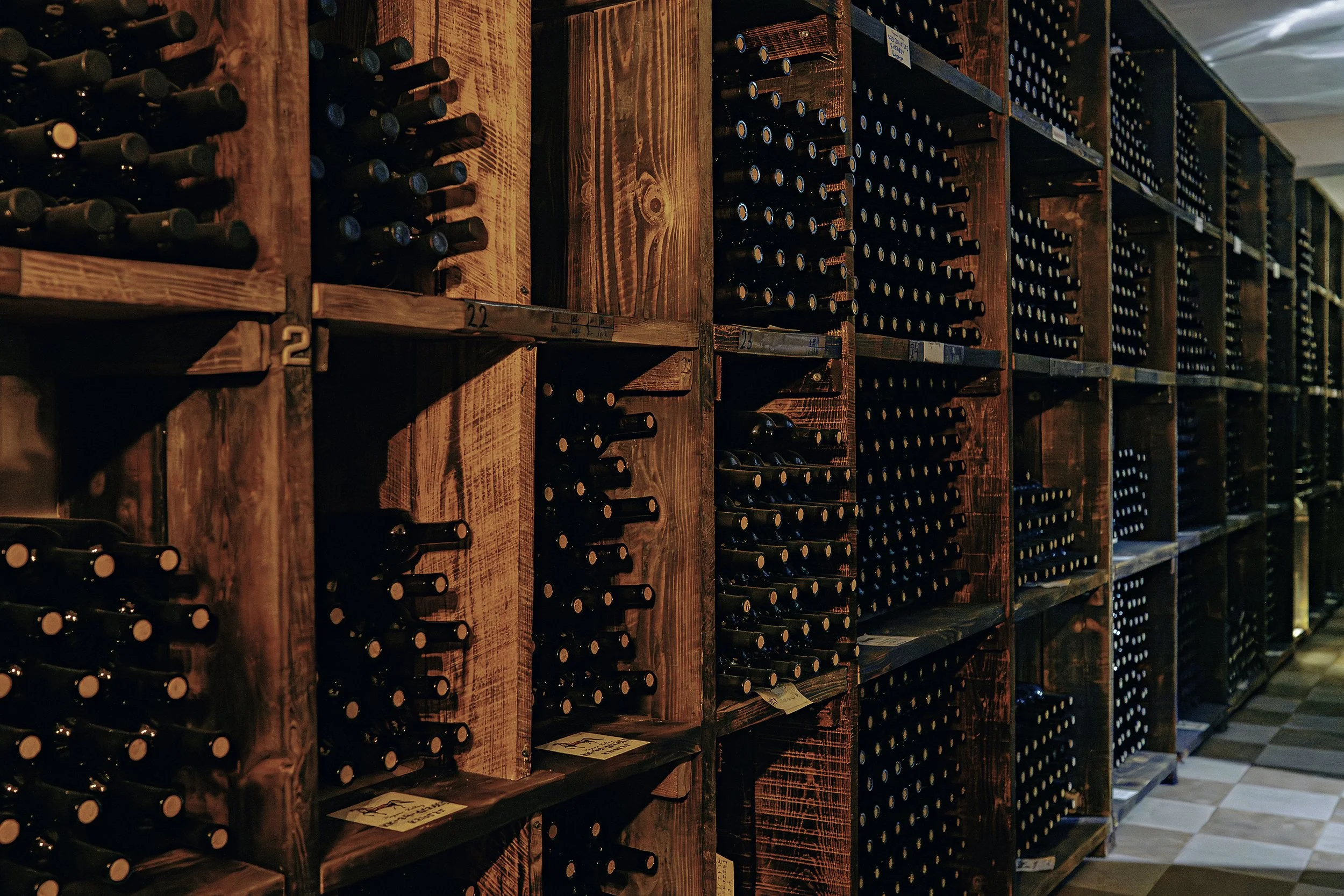
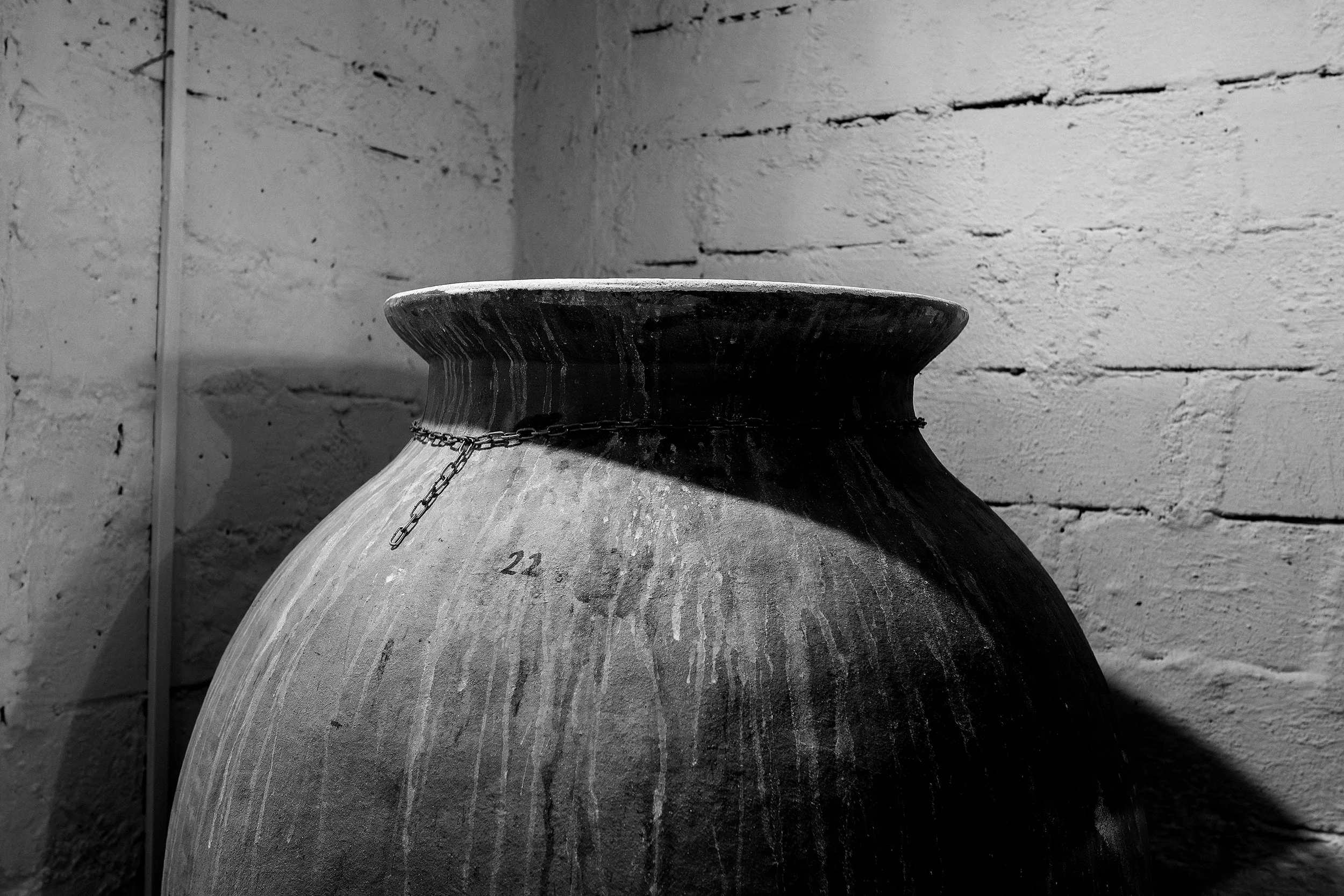
The Papari Valley winery has 30 qvevri, set across three levels. Wine moves from qvevri to qvevri by gravity flow. They are the only Georgian winery to use this terraced gravity system of qvevri. The organic certification of Papari Valley is, importantly, not just of the estate vineyards (nine-ish hectares); the organic certification is of the winery itself as well. The wines are certified organic but so too, incidentally, is the chacha*.
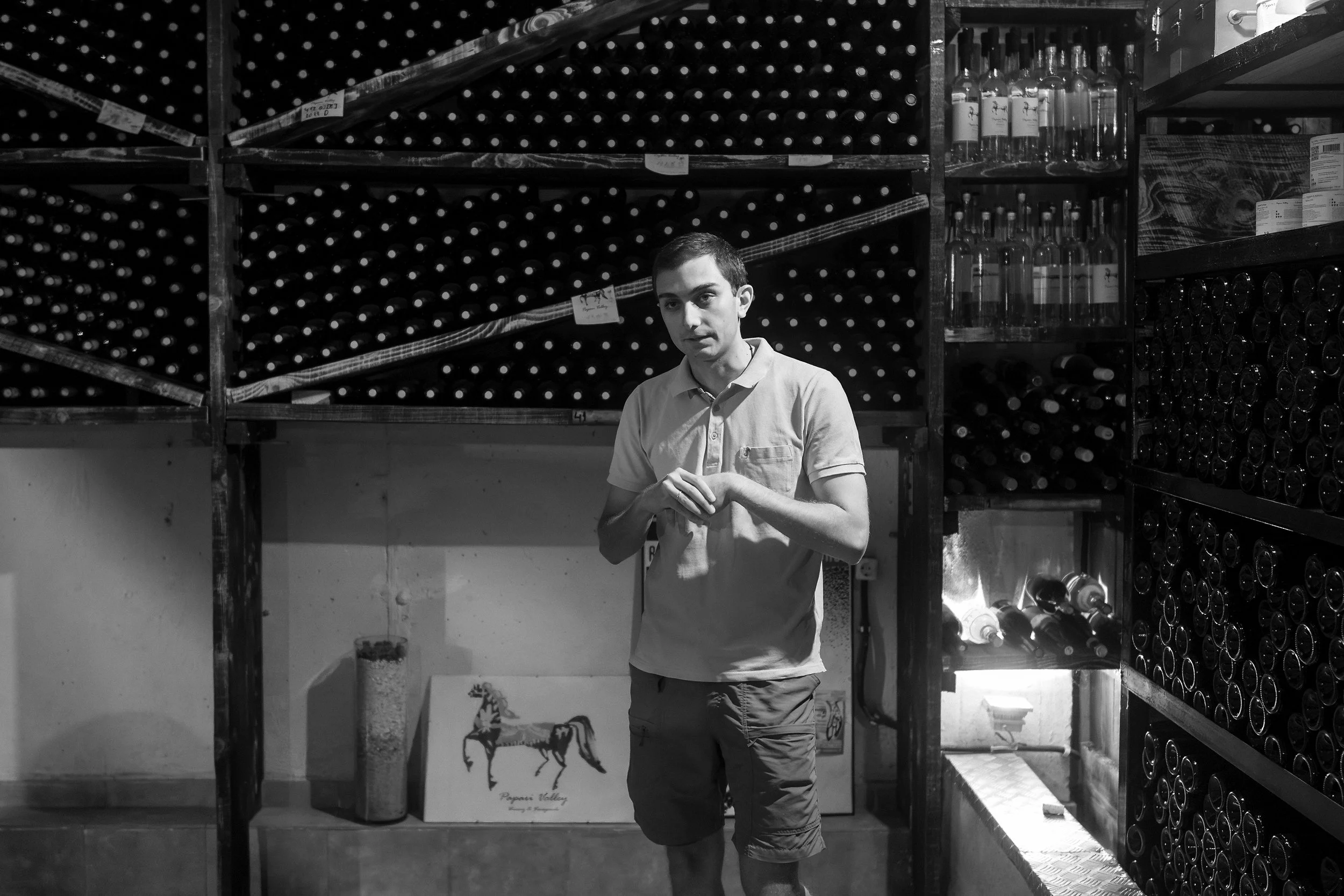
Papari means the mane of the horse, which is a reference to the shape of the valley that the estate inhabits. The wines are now made by Sandro Kurdadze (pictured above).
The Papari Valley wines spend three months on skins. The length of time that Georgian wines spend on skins is a hot topic among wine growing folk in the country. It’s Papari Valley’s view that six months, for instance, is “too harsh”. Papari Valley does not use stems in its ferments/maturation either, for similar reasons.
Most of Papari Valley’s qvevri are not buried, for practical reasons. But it is experimenting with some buried qvevri.
As the terraced system suggests – as indeed does Nukri Kyrdadze’s background in physics – the spirit of inquest, and intellectual rigour – is a driving force at Papari Valley. This winery is not just interested in the how, but in the why. It is traditional to its back teeth, in many ways, though it is simultaneously keen to find if traditions can be improved. Papari Valley is currently exploring whether qvevri fermenting proximate to one another affect the temperature of each vessel, and whether this is optimal.
My visit to the Papari Valley winery estate was by no means exhaustive. I reviewed a number of wines to The Winefront site, though I’m obviously keen to see more. I saw enough though to know that this is a producer of genuine interest.

Below is the view from the Papari Valley winery front deck. The Caucasus Mountains are in the background.
*chacha. Okay. Chacha is to Georgian wine what grappa is to Italian, though – not that it’s a competition – I would argue that the word chacha brings a smile to people’s faces even quicker than what grappa does. Georgians and Georgia-lovers have an enormous affection for chacha, typically. It’s a kind of grape brandy with – and this is the main point – an oftentimes enormous kick of alcohol, sometimes as high as 80%. It’s often pretty rough, from my limited experience. Sometimes it’s pretty decent. But then I was in Georgia in warm weather; in the snow of a Georgian winery, I’d imagine that it comes into its own.