Why Australian Whisky Is So Expensive
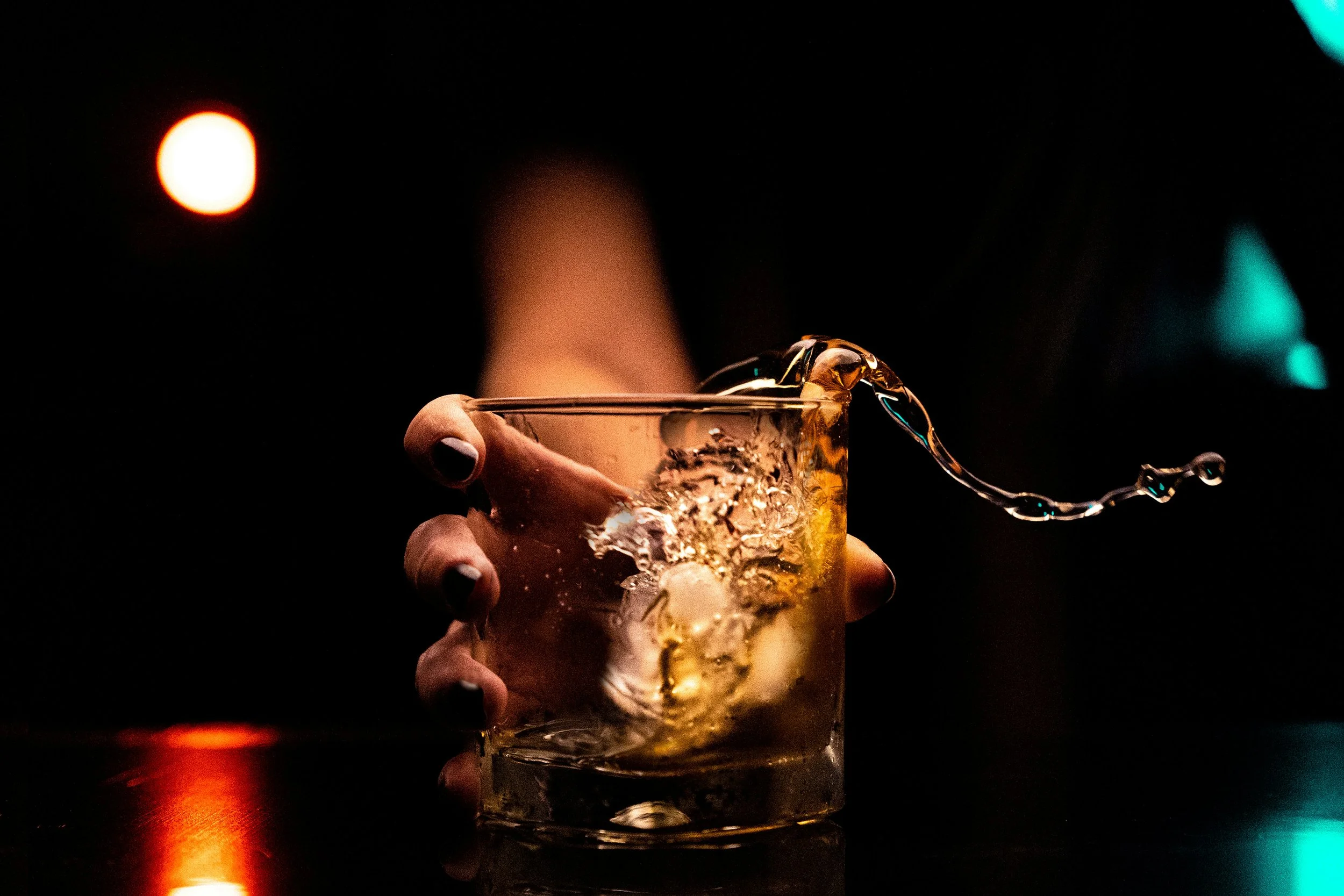
The honest answer isn't greed, or small casks, or hype. It's a tax that most drinkers have never heard of, that rises twice a year, and that hits the bottle in your hand harder than almost anywhere on earth.
You're holding a bottle of Australian single malt. It's AU$120, maybe AU$180, and something in you wants to know why – because the Scotch* two shelves over is cheaper, and it's older, and it travelled further.
Here's the first thing to know. Before that Australian distillery paid for a single barrel, a single kilo of barley or a single hour of a distiller's time, the Australian government took roughly $31 of the price in a tax called excise – and then charged you GST on top of the tax. That's about $34 gone to Canberra on a standard bottle before anyone has costed the whisky itself.
The second thing to know is that this tax goes up every six months, automatically, whether or not the country is having a cost-of-living crisis, and/or whether or not the distillery had a good year. In fact, this excise tax has gone up 78 times since 1983.
And the third thing – the one that tends to genuinely annoy people once they see it – is that the glass of wine you might drink instead is barely taxed by comparison, and the schooner of tap beer at the pub has just had its tax frozen for two years. Spirits got left out of the freeze. On purpose.
So when people ask why Australian whisky is expensive, the small-cask story and the young-industry story are both real, and we'll get to them. But the biggest single reason is a tax. Let me show you exactly how it works, because once you can see it, you can never quite unsee it on a shelf again.
The Scotch pays the same excise tax, but covers it courtesy of economies of scale.
What excise actually is, and the maths on your bottle
Excise is a tax on the alcohol itself – not on the price of the bottle, not on the brand, but on the pure alcohol inside it. It's charged per litre of pure alcohol, a unit the tax office abbreviates to LAL (litres of alcohol).
From 3 August 2026, the rate is $110.15 per litre of pure alcohol. Here's what that does to a standard bottle:
A 700ml bottle at 40% ABV contains 0.28 litres of pure alcohol (700ml × 40%).
0.28 × $110.15 = $30.84 in excise, per bottle, before anything else.
Then GST (10%) is applied to the whole retail price, excise included – so you are, quite literally, paying tax on the tax.
Now here's a wrinkle almost nobody clocks, and it's the kind of thing worth knowing before you buy. Excise is charged on the alcohol, not the volume of liquid. So a cask-strength whisky is taxed higher than a standard one, simply because there's more alcohol in the bottle:
A 700ml cask-strength release at 58% ABV contains 0.406 litres of pure alcohol.
0.406 × $110.15 = $44.72 in excise, per bottle.
That's nearly $14 more tax on the cask-strength bottle than the 40% one – same size, same distillery, more tax. It's one of the quiet reasons big, punchy, cask-strength Australian whiskies carry the prices they do. You're not just paying for more whisky. You're paying more tax on more alcohol.
The ratchet: why it never stops going up
The rate isn't set by a minister who can be argued with each year. It's indexed – that is, it’s tied automatically to inflation and adjusted twice a year, every February and every August, in line with the Consumer Price Index. This system was introduced under the Hawke–Keating government in 1983, and it has done what it was designed to do: it has gone up, and up, and up, without a vote each time.
The August 2026 increase was the 78th. The rate was around $81 per litre of alcohol a decade ago; it's $110.15 now. That's the ratchet. It only turns one way, and it turns whether or not it's a good time for it to turn.
For a distillery, this creates a genuinely strange planning problem. Whisky has to age for years in a barrel before it can be sold. But the tax isn't paid when the whisky goes into the barrel at today's rate. It's paid when it comes out and is sold, at whatever the rate has ratcheted up to by then. So a distiller laying down spirit in 2026 for release in 2034 is, in effect, agreeing to pay a future tax rate they can't know and can't control.
The comparisons that make it sting
A tax in isolation is just a number. What makes Australian spirits excise land the way it does is the company it keeps.
Against the world. Australia now has the highest spirits tax in the world outside the Scandinavian countries.
Against beer. Spirits are taxed at roughly three times the rate of beer per unit of alcohol. And in August 2025 the federal government froze the excise on draught beer – the stuff poured from the tap at the pub – for two years, until August 2027. Spirits were excluded from this freeze. Packaged beer keeps rising; tap beer is paused; spirits keep climbing every six months.
Against wine. Wine isn't subject to excise.. Wine is taxed under a different system, called the Wine Equalisation Tax, or WET. The WET is 29% of the wholesale value of the wine – not its alcohol content. The practical effect is that, per standard drink, wine generally carries less tax than spirits do.
The wrinkles: tariffs, GST, and the tax-on-tax
A couple of further complications, because they change the picture depending on what you're buying.
Imported spirits also cop a 5% customs tariff on top of excise – except where a trade deal waives it. Under the Australia–UK Free Trade Agreement, that 5% is gone for UK-made spirits, which means Scotch and Northern Irish whiskey dodge the tariff (though they still pay the same excise as everyone else once they land here). So the imported bottle isn't escaping the big tax; it's escaping a smaller one.
And then GST sits over the whole thing – calculated on the final price including excise.
In fairness: what the tax is for, and what relief exists
It’s not all bad news, and it’s not all wrong.
Excise on spirits isn't just a revenue grab. Alcohol taxation is also a public-health lever. Taxing alcohol by its alcohol content discourages harmful drinking and helps cover its social costs.
There's also genuine help for small local producers. Under the Alcohol Manufacturers' Remission, an eligible Australian distillery can get a full refund of the excise it pays up to a yearly cap. This cap rose from $350,000 to $400,000 on 1 July 2026. To qualify, a producer has to hold a manufacturer licence, distil at least 70% of the alcohol themselves, and be genuinely independent. At current rates, a $400,000 remission covers something like 13,000 bottles' worth of excise a year.
The moment an Australian whisky brand starts to succeed, or to scale, or to make the kind of volume that could bring prices down, it climbs out of the remission and into the highest spirits tax outside Scandinavia.
The reform fight, briefly
The spirits industry – through bodies like Spirits & Cocktails Australia and the Australian Distillers Association, and via very public campaigns from the big rum and whisky makers – wants the six-monthly indexation paused or reformed, and points out that a bipartisan parliamentary committee has supported reform. The government has so far moved on beer and on the small-producer remission, but not on the core spirits ratchet.
The public-health case is real, but soo too is the unfairness of the current excise system. This is a fight that isn't going away, and every February and August the issue gets a fresh news update.
The bottom line for the drinker
So – is Australian whisky a rip-off? The short answer is: No.
When you pay $120 or $180 for a bottle of good Australian single malt, you're paying for a genuinely young industry that hasn't yet reached the scale that lowers prices; for whisky that (until recently) too often sat in small casks that forced fast, expensive maturation; for barley and casks and time and a distiller's skill; and – before any of that – for about $31 of excise plus GST that was locked in the moment the bottle was sold. The tax doesn't explain everything about the price. But it's the biggest single thing most people have never or rarely been told, and it's the floor under everything else. It's why you'll rarely see a serious local craft spirit under about $50, and why the genuinely good stuff starts higher than the imported whisky it's sitting next to.