

Best Australian Grenache
Australian grenache – made in a fresh, pure, insistent style – is the most exciting red wine Australia now produces. It’s so good, and the object of so much attention, that it has become its own world. Australian grenache has arrived.
It took a while. Grenache was once Australia's most planted red grape. For most of its 175-year history here though it was treated as a workhorse – a blender, a provider of warmth, and originally as a fortified-wine engine. There was a time in the 1990s – when Steve Pannell was making grenache at Tintara, prior to going out on his own – when a new eye started to be cast on the variety. But it wasn’t until 2010 or so, when a band of producers who had stopped making grenache as faux shiraz really started to gather. In place of heavy grenache, this band – lead by Pannell – saw grenache for what it is: a delicate, perfumed, medium-weight variety – a warm-climate relative of pinot noir, or nerello mascalese, or perhaps even of nebbiolo. If ever there was a Cinderella moment – to reference an outdated fable – in Australian wine, this was it. The old workhorse variety, oftentimes mistreated and forever unloved, had waited over 170 years for its delicate, aromatic beauty to be seen.
And seen this beautiful grape variety now is.
Australia makes great shiraz, clearly, and great Cabernet Sauvignon, among other varieties. Australian chardonnay, in quality terms, is a juggernaut. The new world of Australian grenache though is Australia’s most unique wine offering, and with time – in fine wine circles – it could even become Australia’s most noted red wine style, on the world stage. That’s how good it is. That’s how exciting.
The best of Australia’s new world of grenache tends to come off ancient, dry-grown vineyards in McLaren Vale and the Barossa Valley, with Clare Valley, Langhorne Creek and pockets of Western Australia and Victoria in support. South Australia, home to some of the world’s oldest grenache vines, is – and always will be – unquestionably the epicentre, and Australian grenache’s spiritual home.
There are some big statements above. This page collects and maintains the proof.
The best Australian grenache wines, as I taste them
Every time I score an Australian grenache at 94/100 points or higher, it earns the Best Australian Grenache tag and appears here automatically. This list is dynamic; it updates as outstanding wines cross my desk. It is not influenced by wineries, retailers or advertisers.
Updated: August 2026.
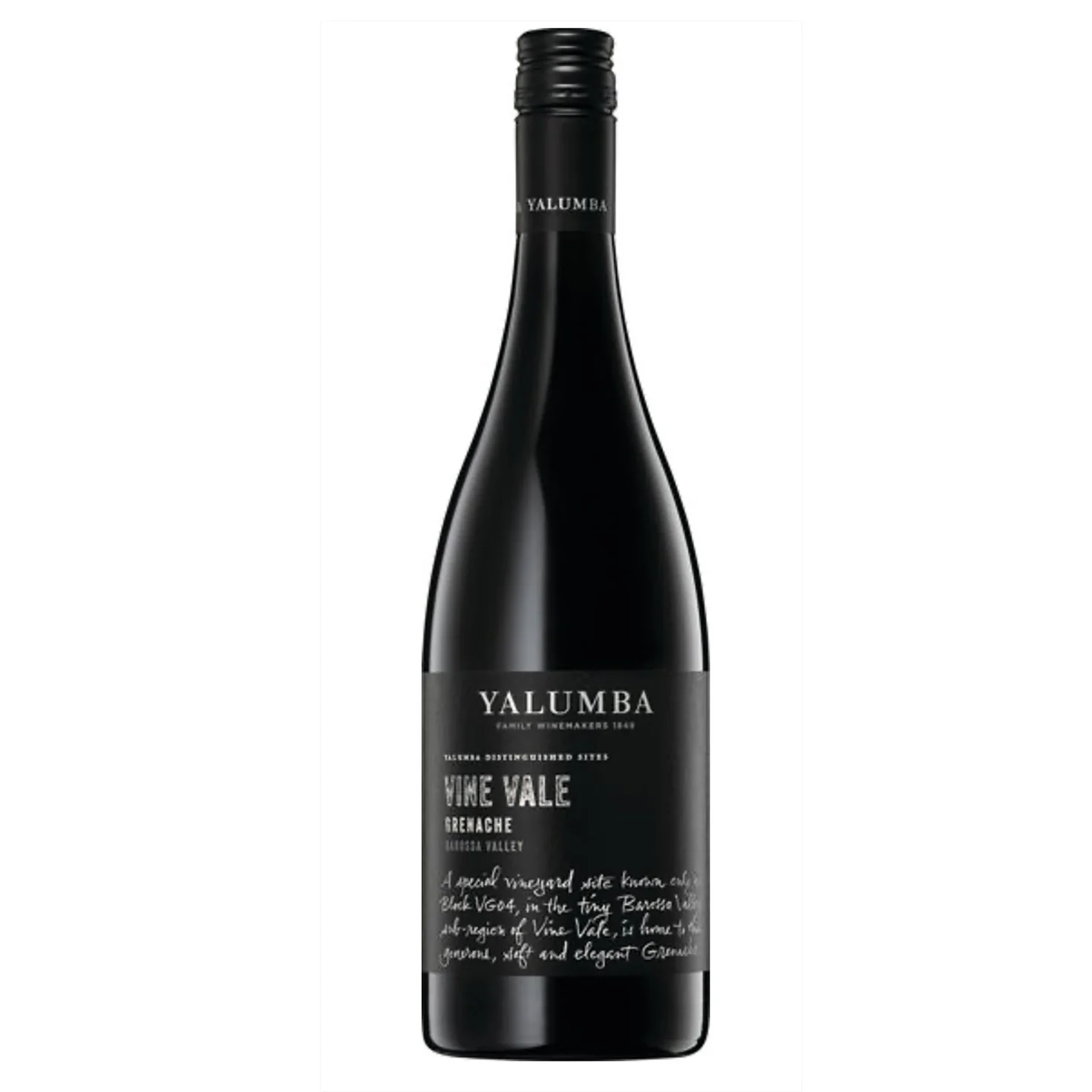
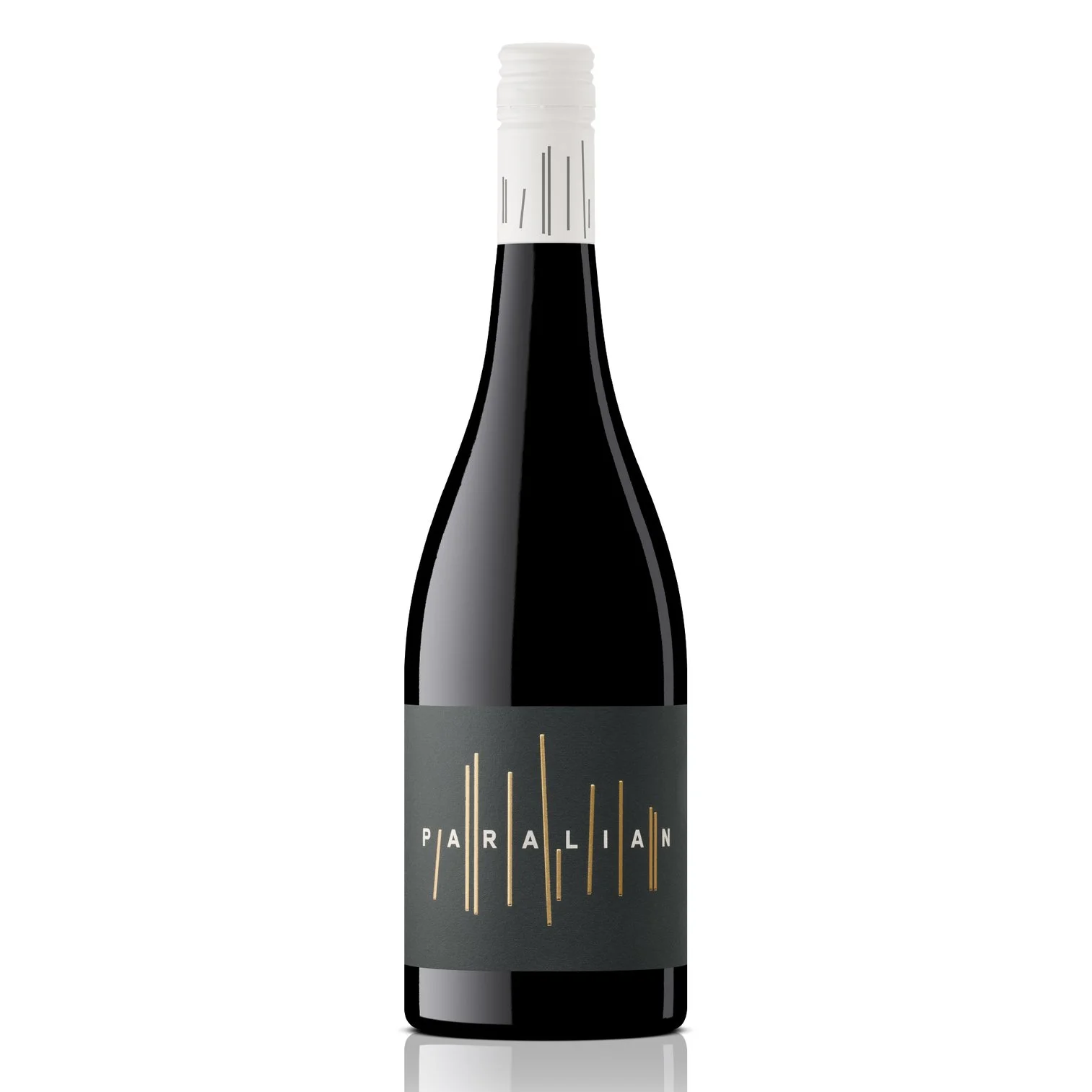
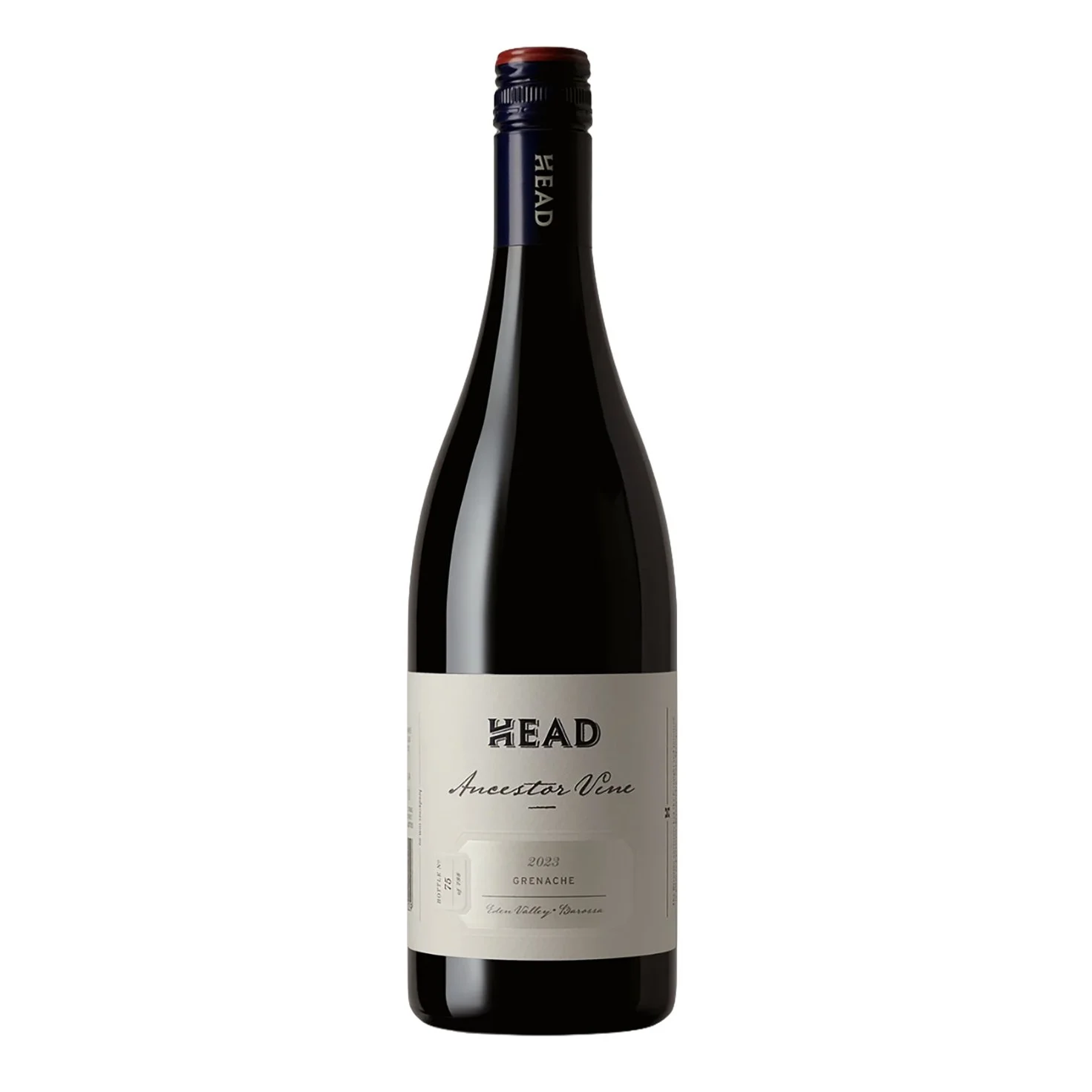
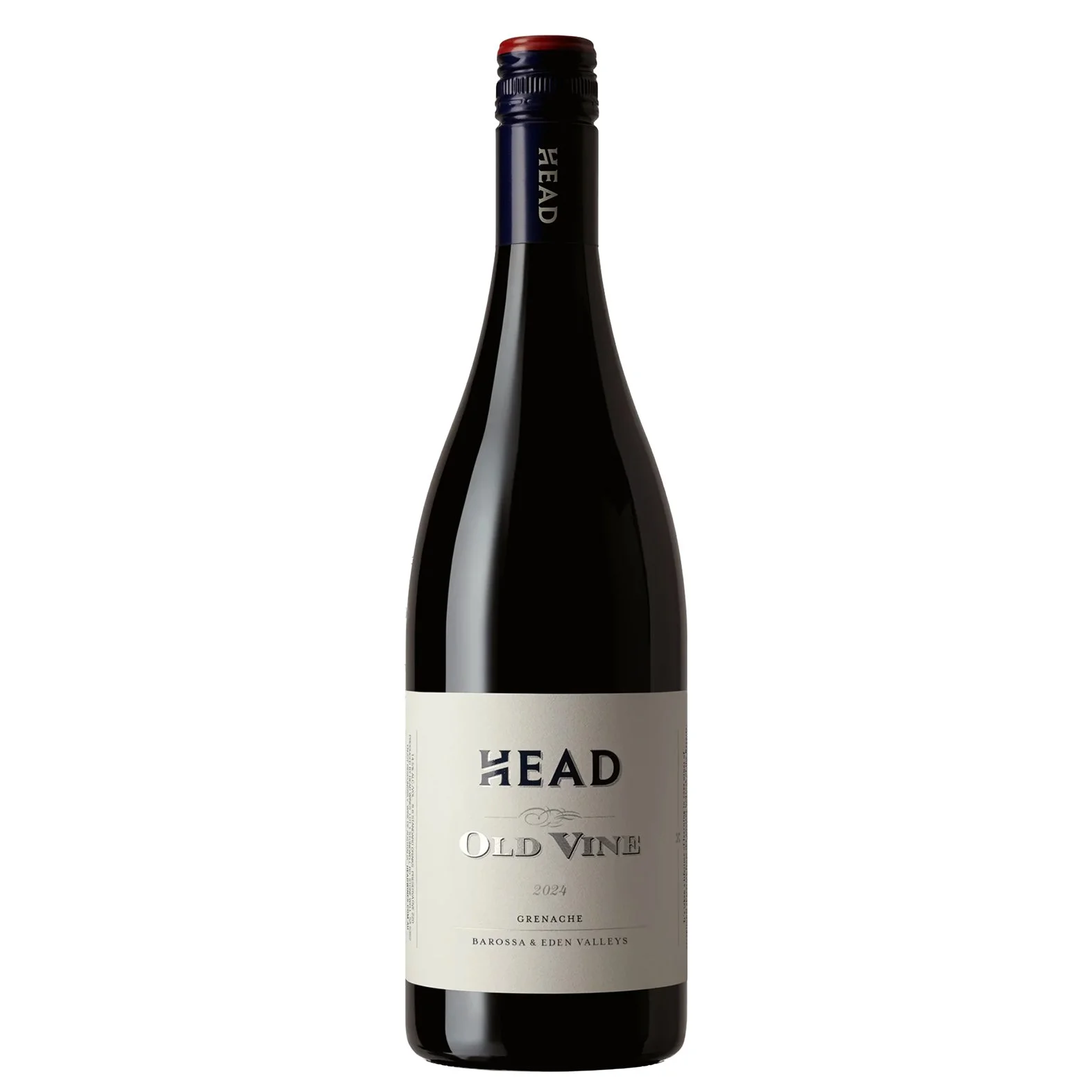


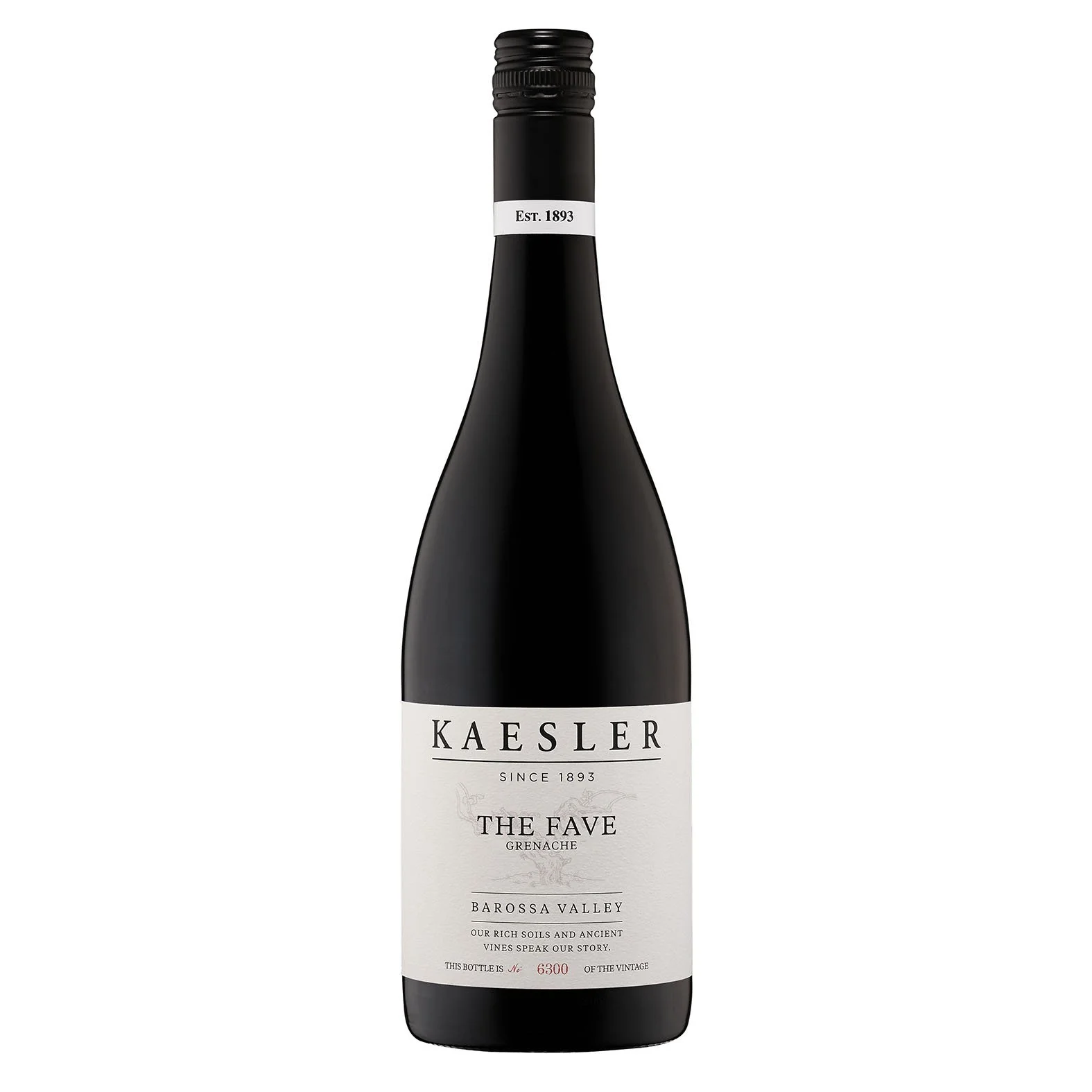
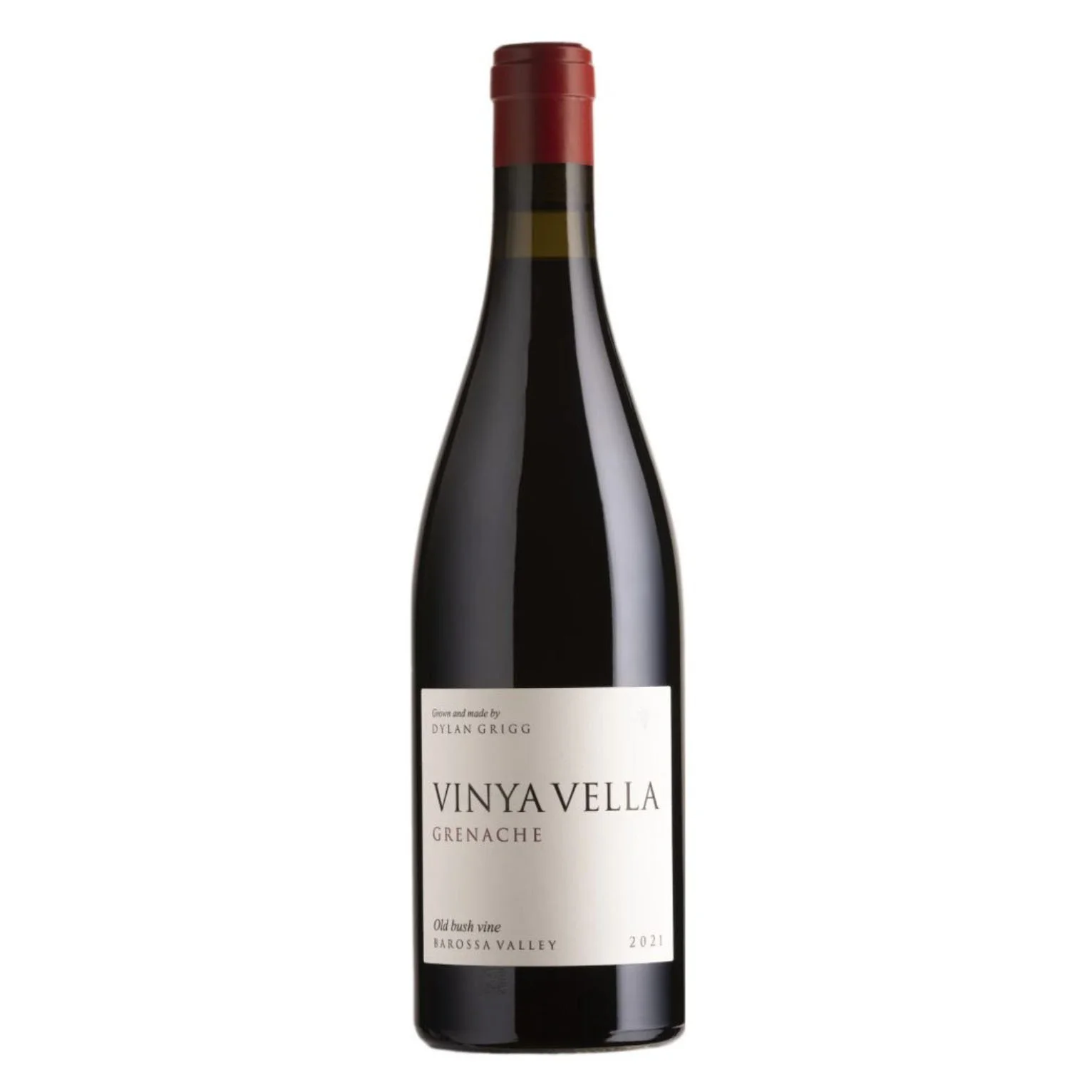


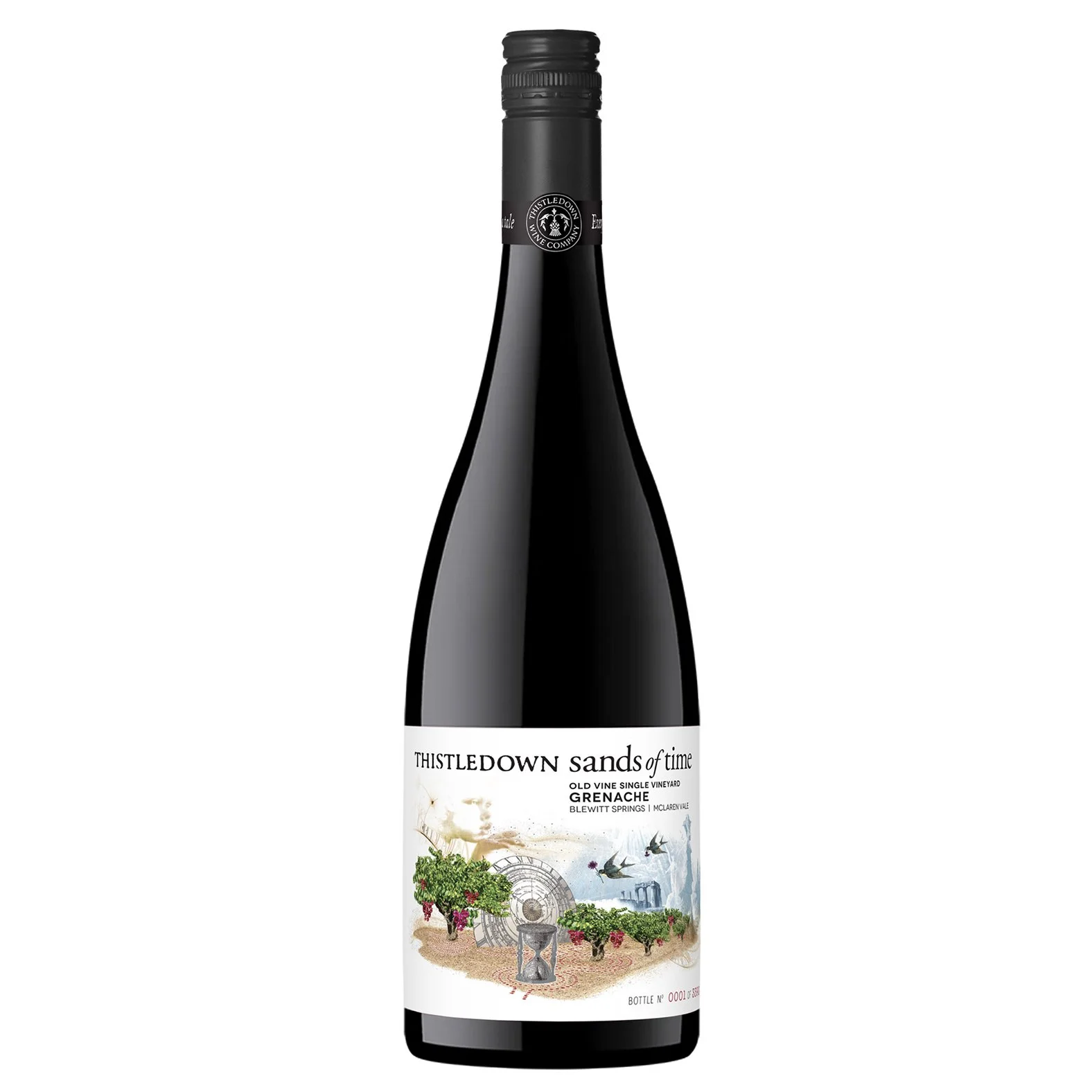
Ranked by score
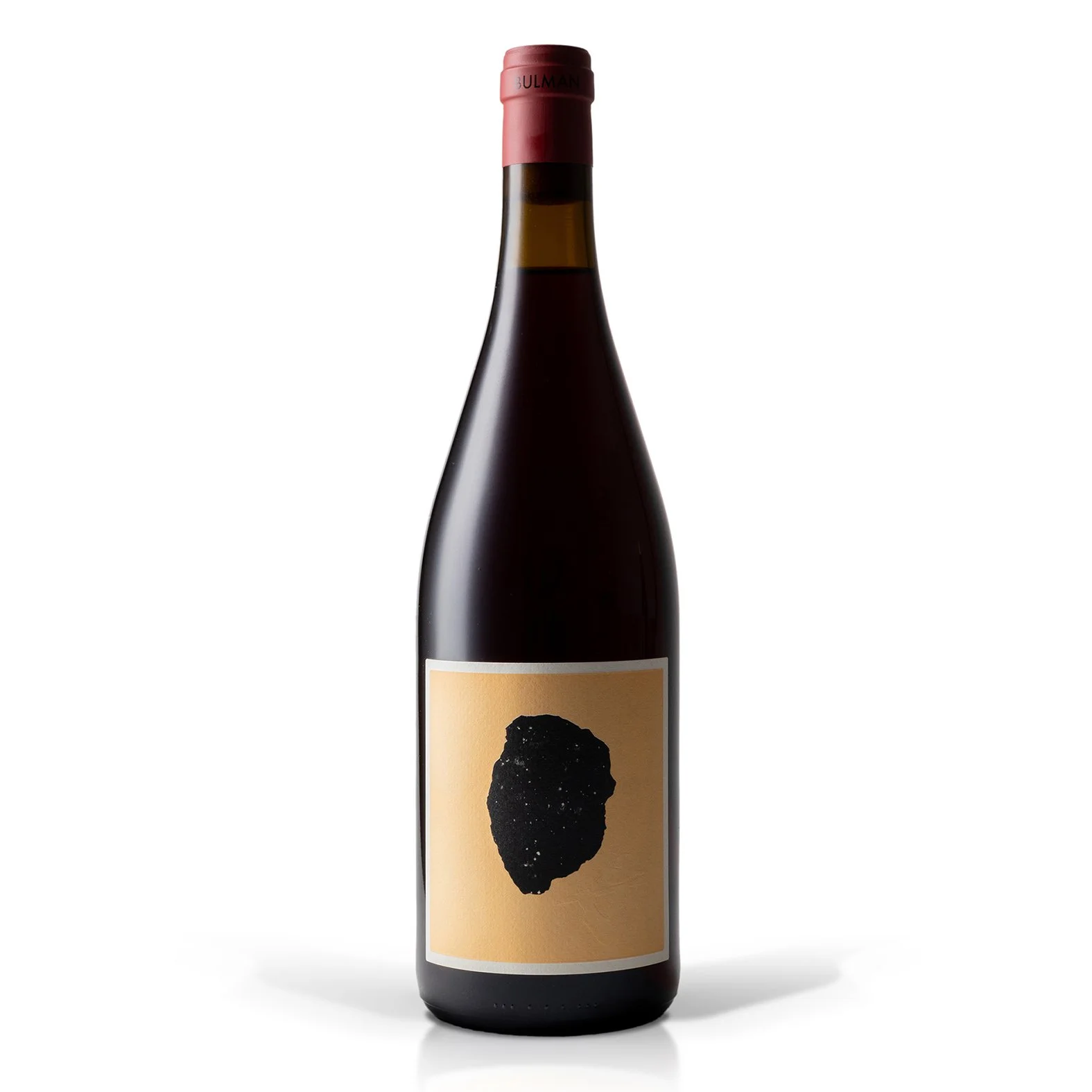
- 97 Bulman Gary's Vineyard Grenache Dry Red Wine 2025
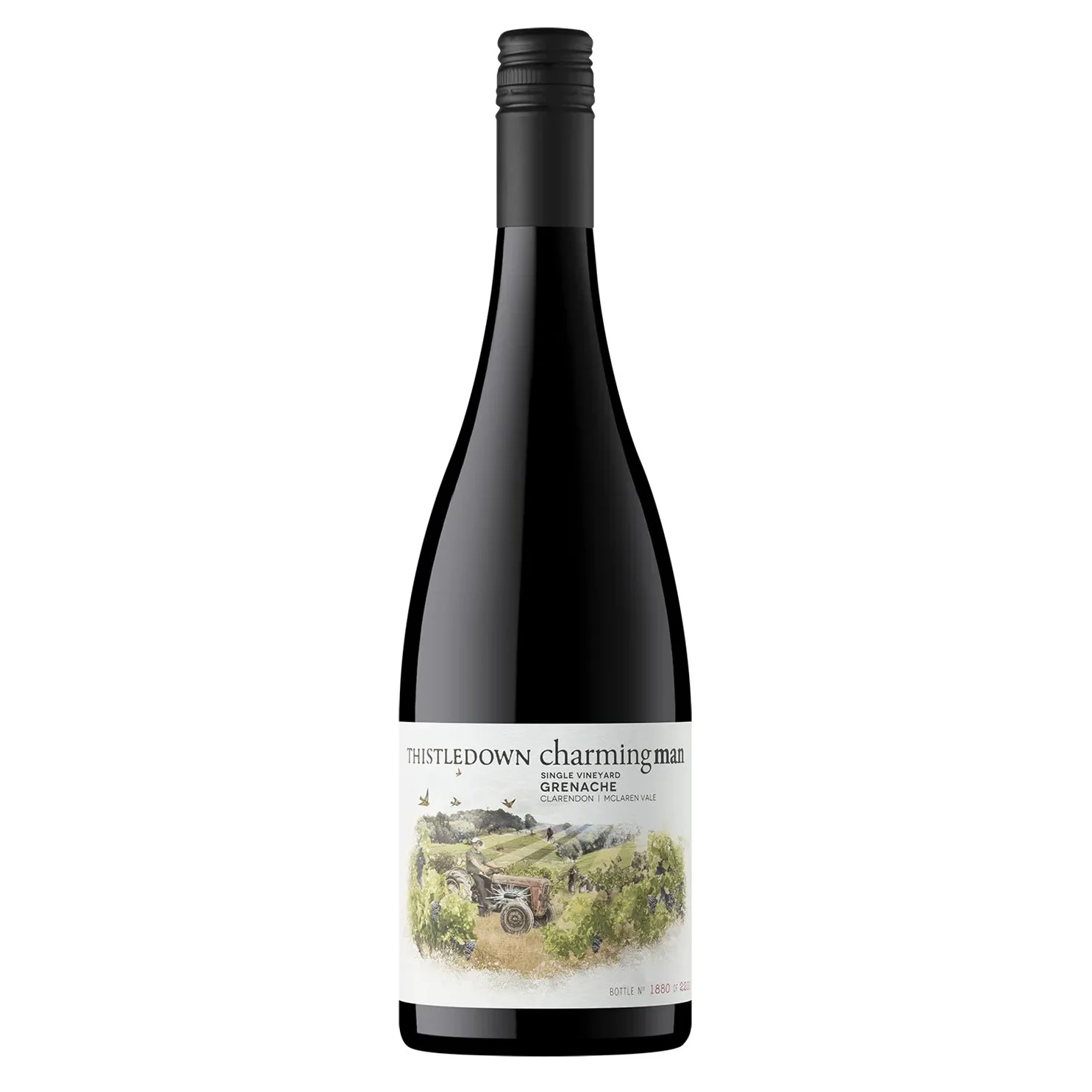
- 96 Thistledown’s This Charming Man Old Vine Grenache 2025
- 96 Paralian Marmont Vineyard Grenache 2025
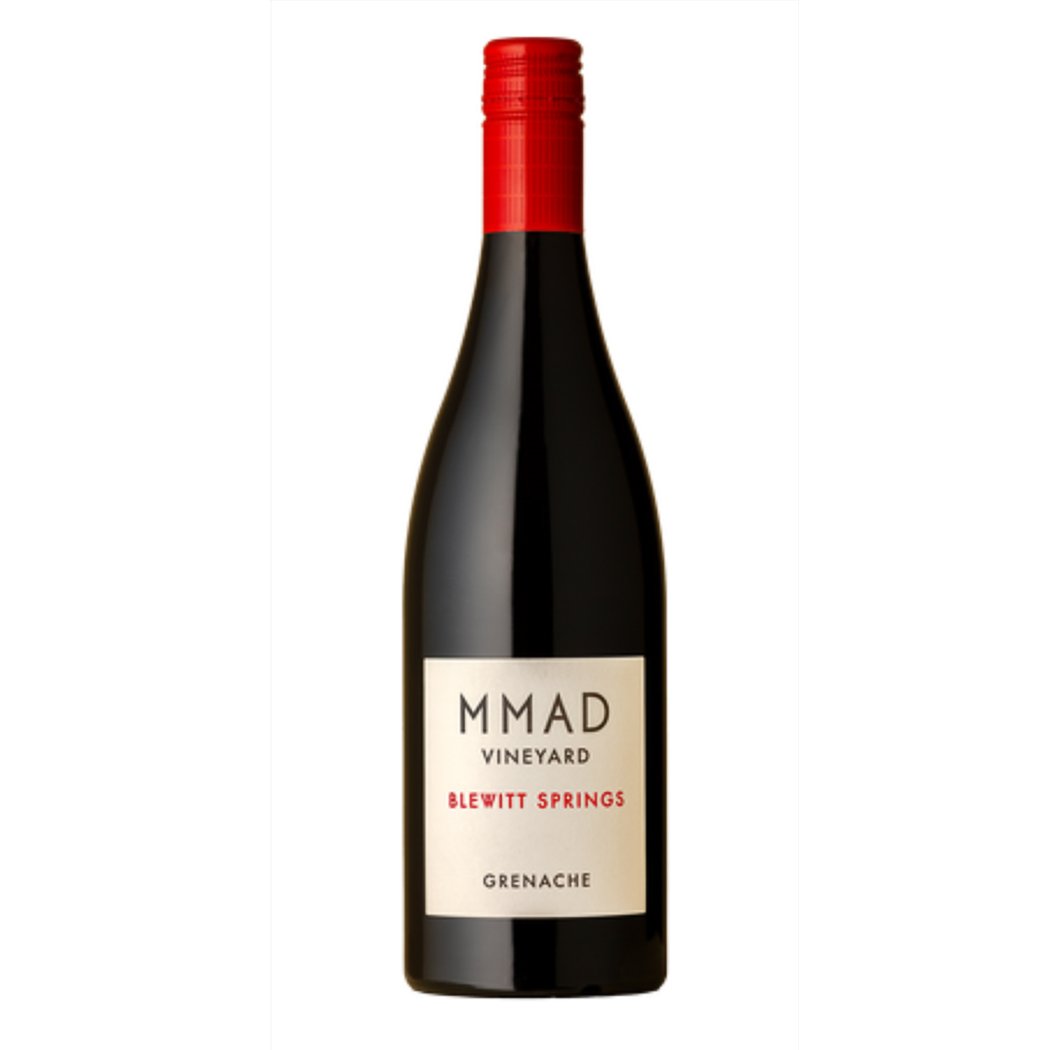
- 96 MMAD Blewitt Springs Grenache 2024
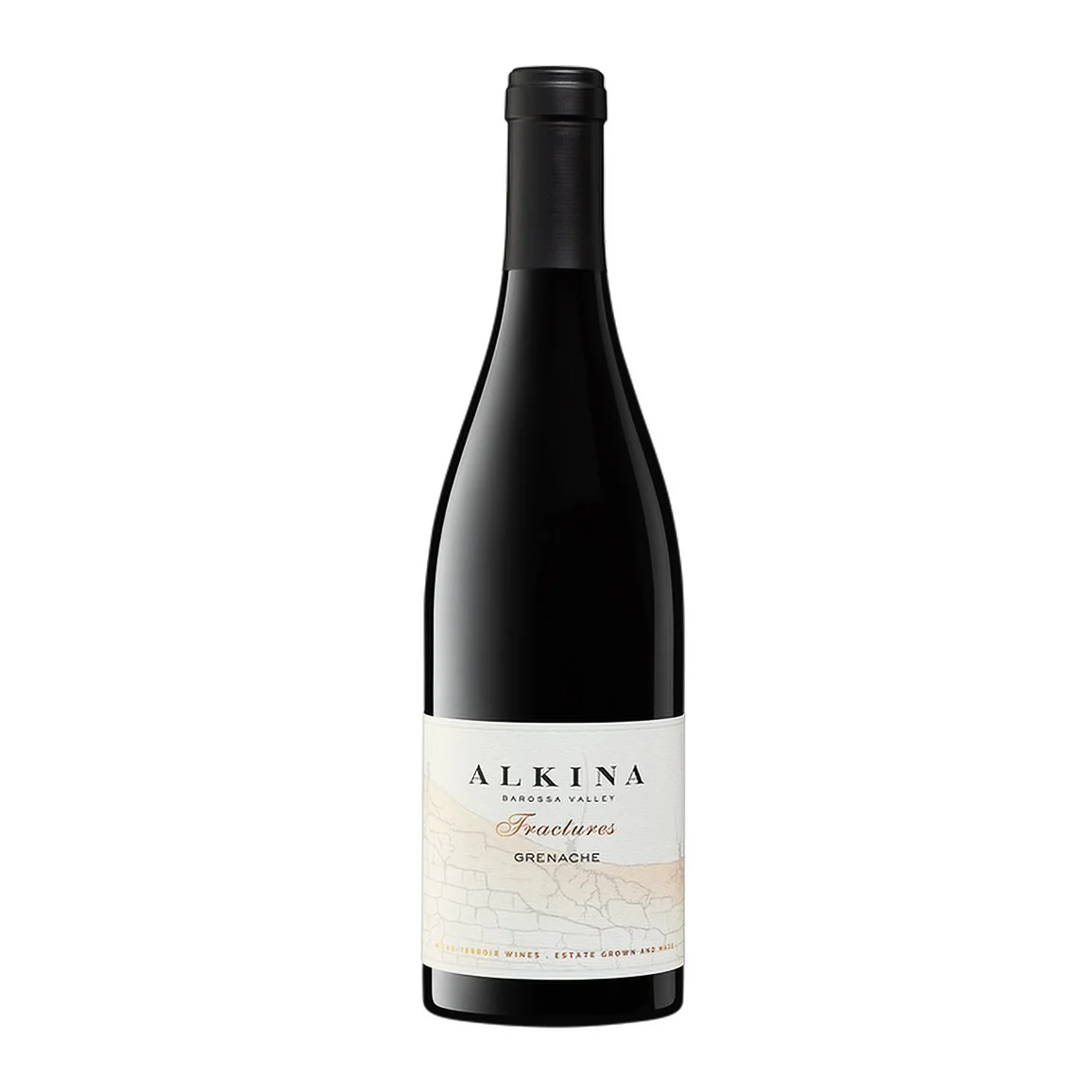
- 96 Alkina Estate Fractures Grenache 2025
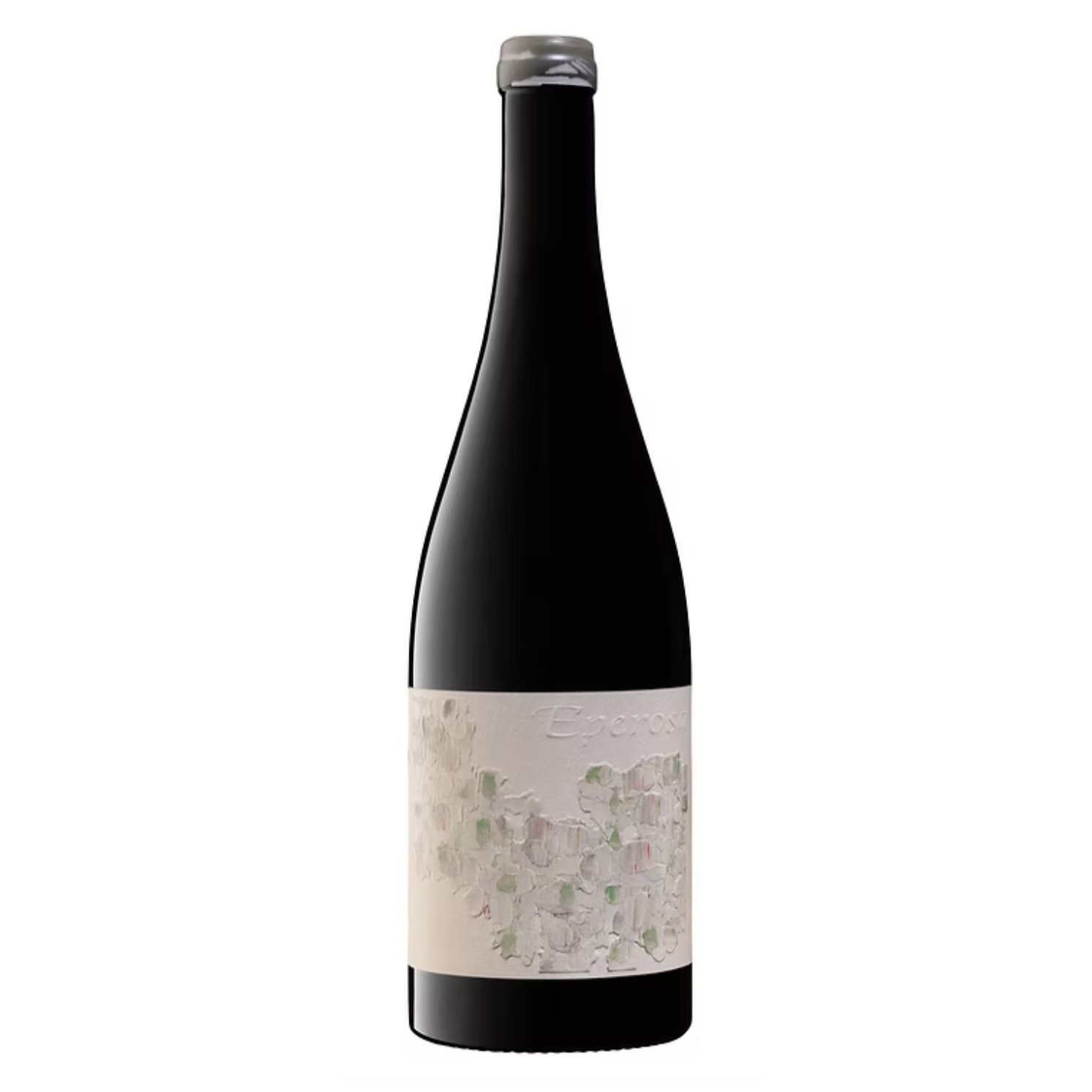
- 96 Eperosa SGG 1858 Grenache 2023
- 96 Vinya Vella Old Bush Vine Grenache 2024
- 96+ Thistledown Our Fathers Smart Vineyard Old Vine Grenache 2024
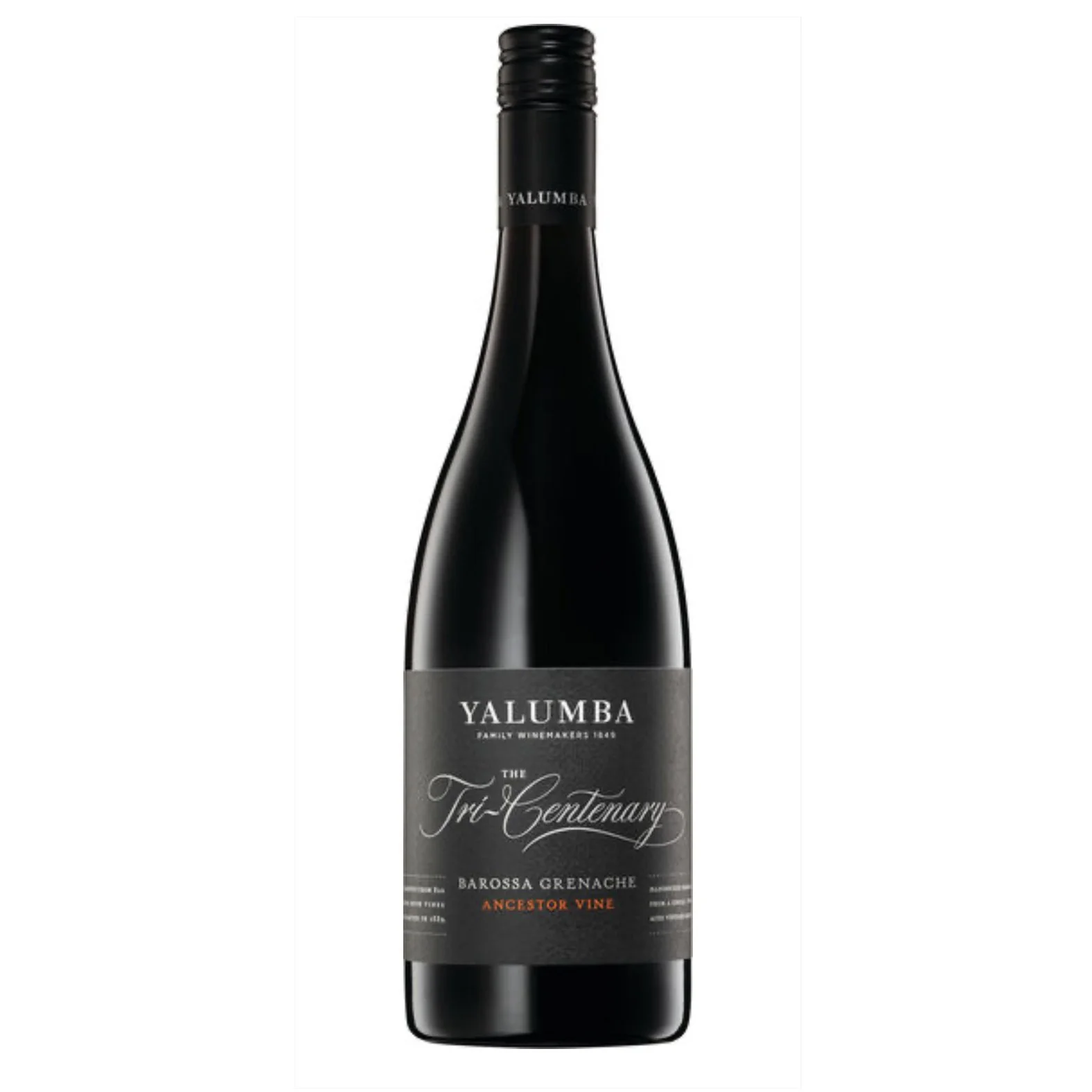
- 95 Yalumba Tri-Centenary Grenache 2024
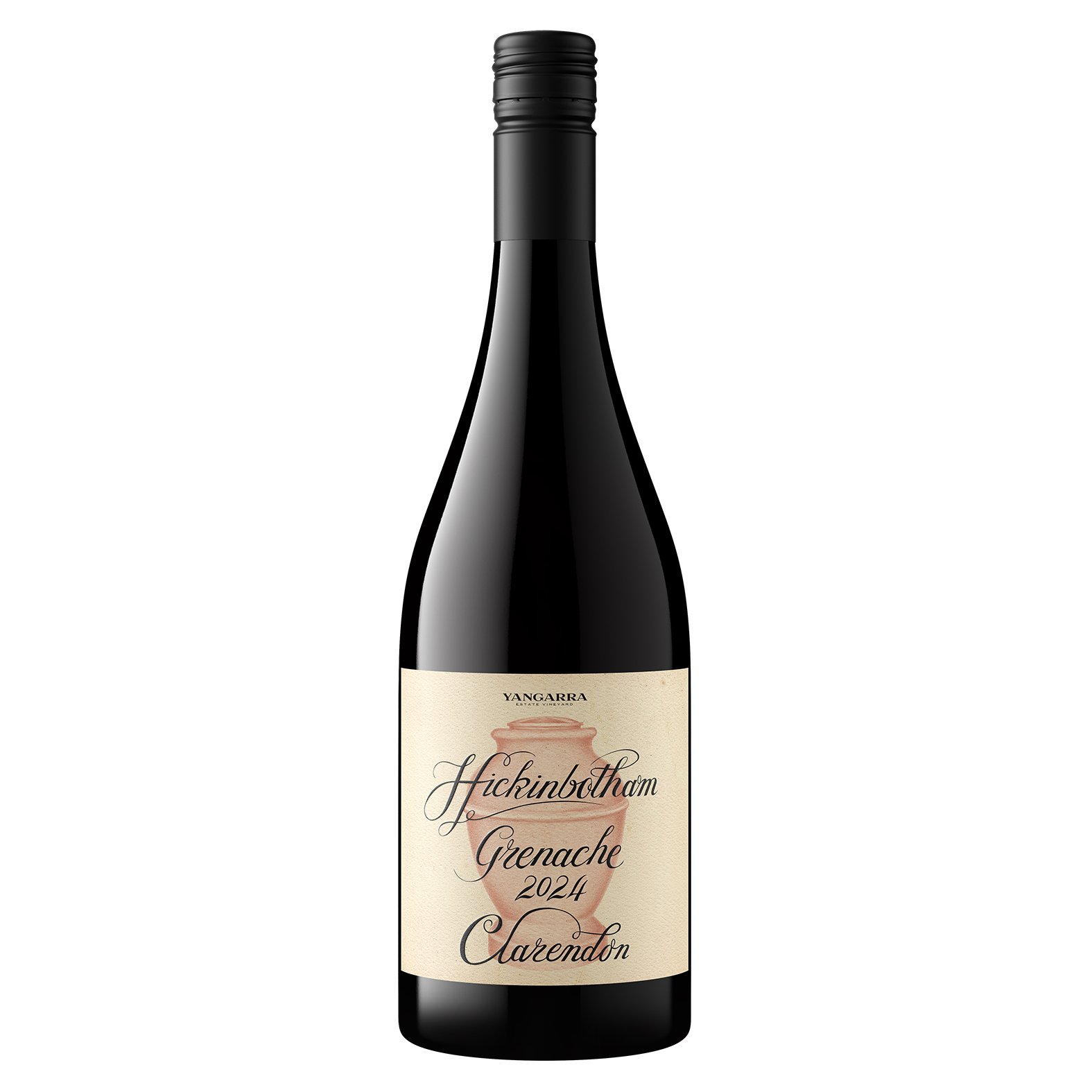
- 95 Yangarra Estate Vineyard Hickinbotham Clarendon Grenache 2024
- 95 Head Wines Ancestor Vine Grenache 2024
- 95 Head Wines Old Vine Grenache 2024
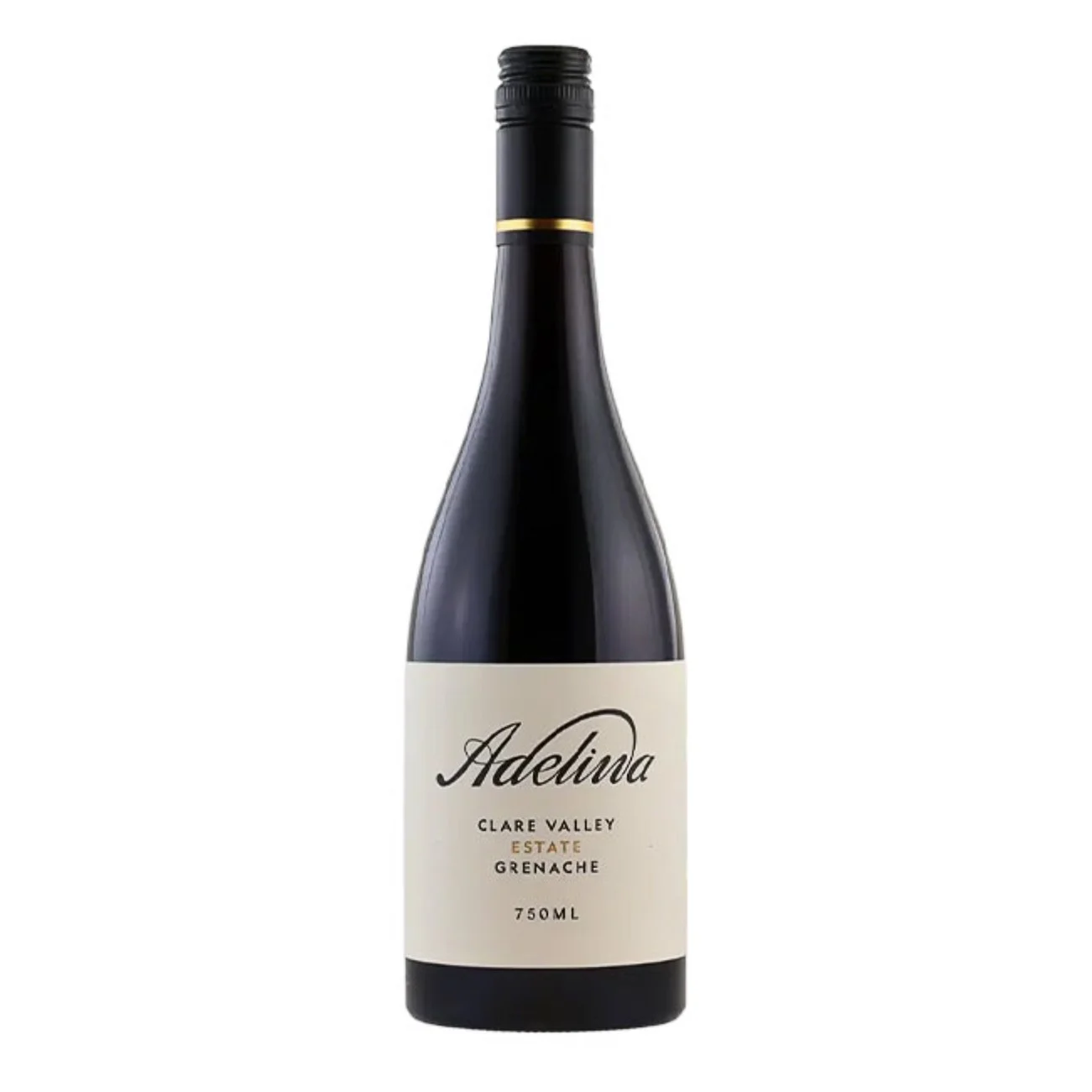
- 95 Adelina Estate Grenache 2025
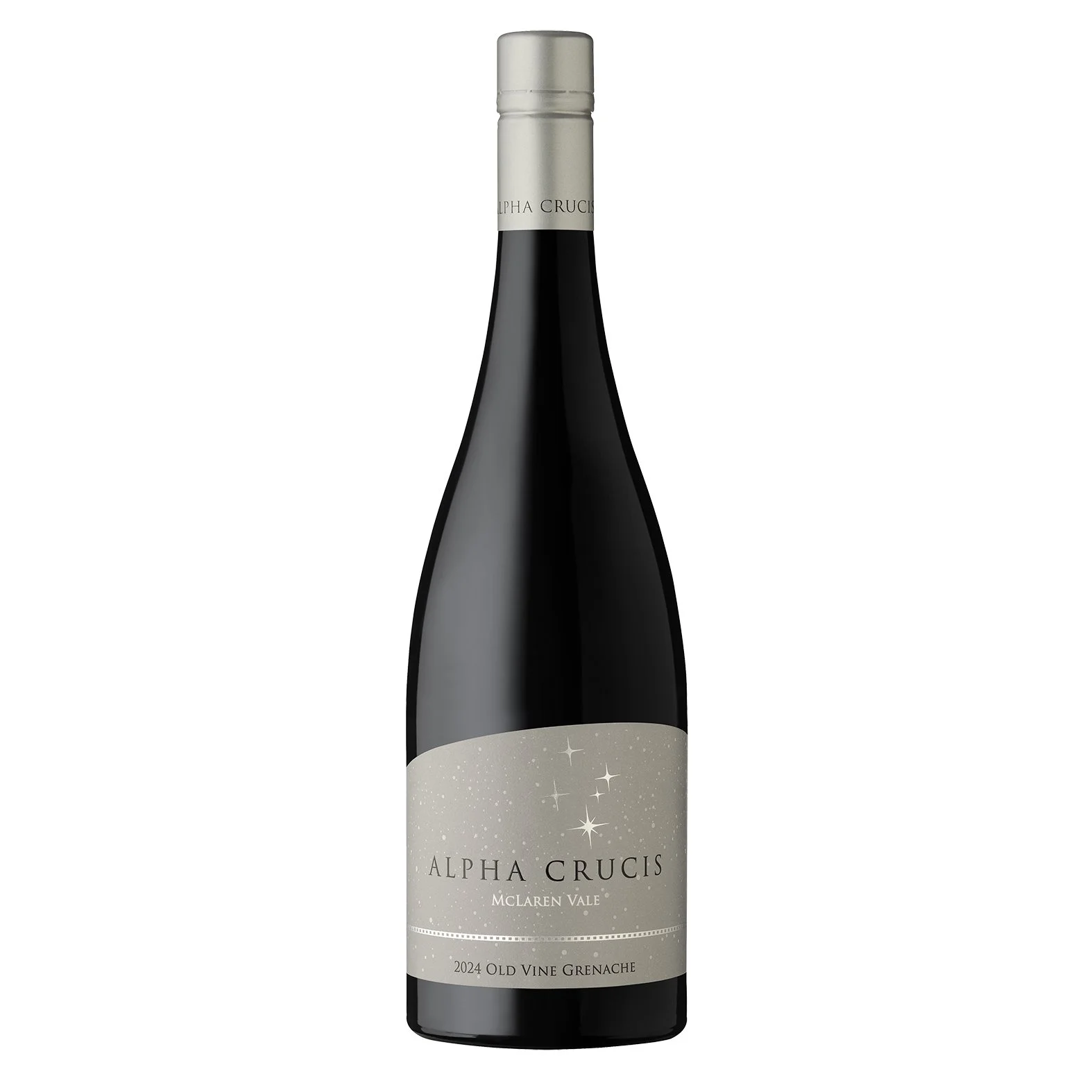
- 95 Chalk Hill Alpha Crucis Old Vine Grenache 2024
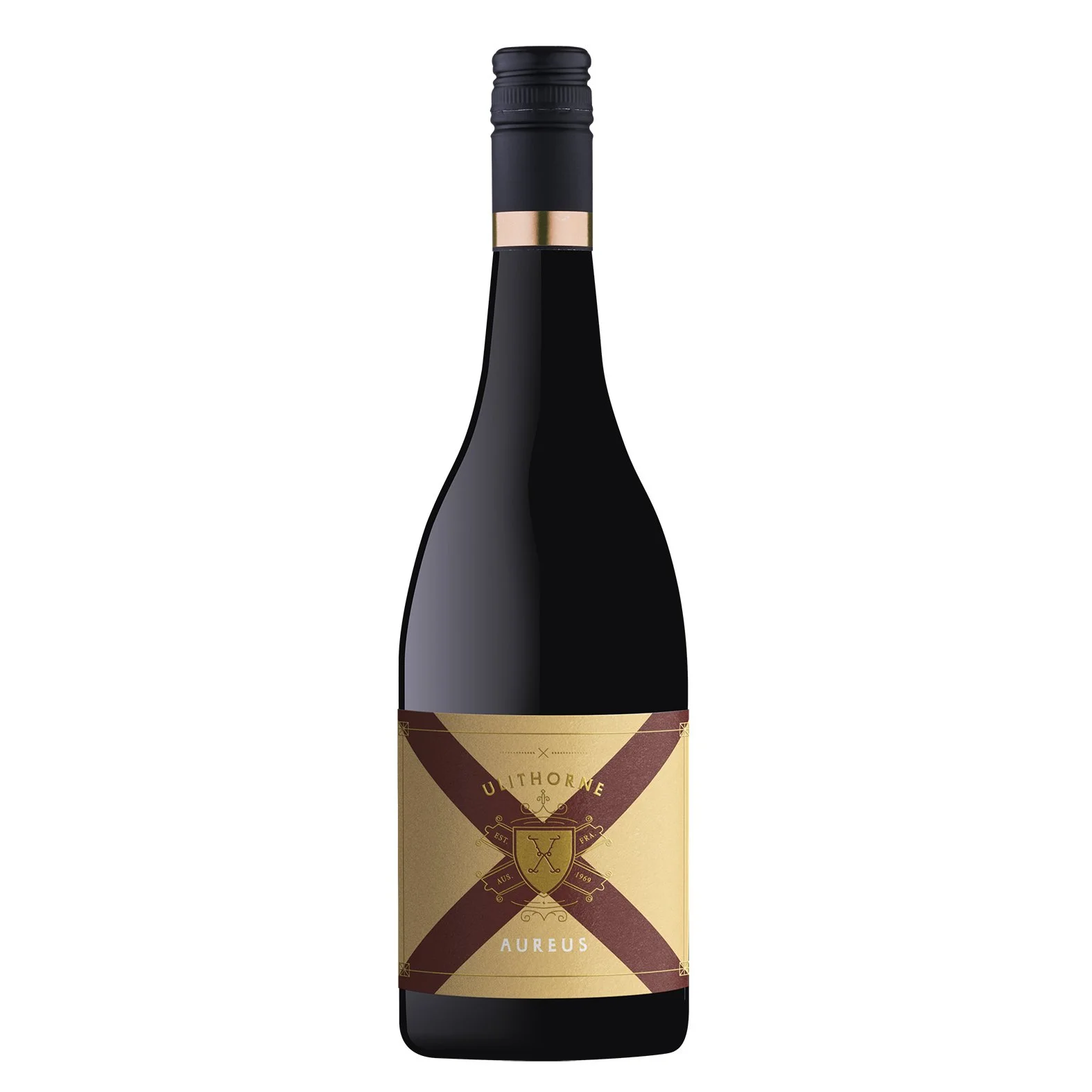
- 95 Ulithorne Aureus Grenache 2024
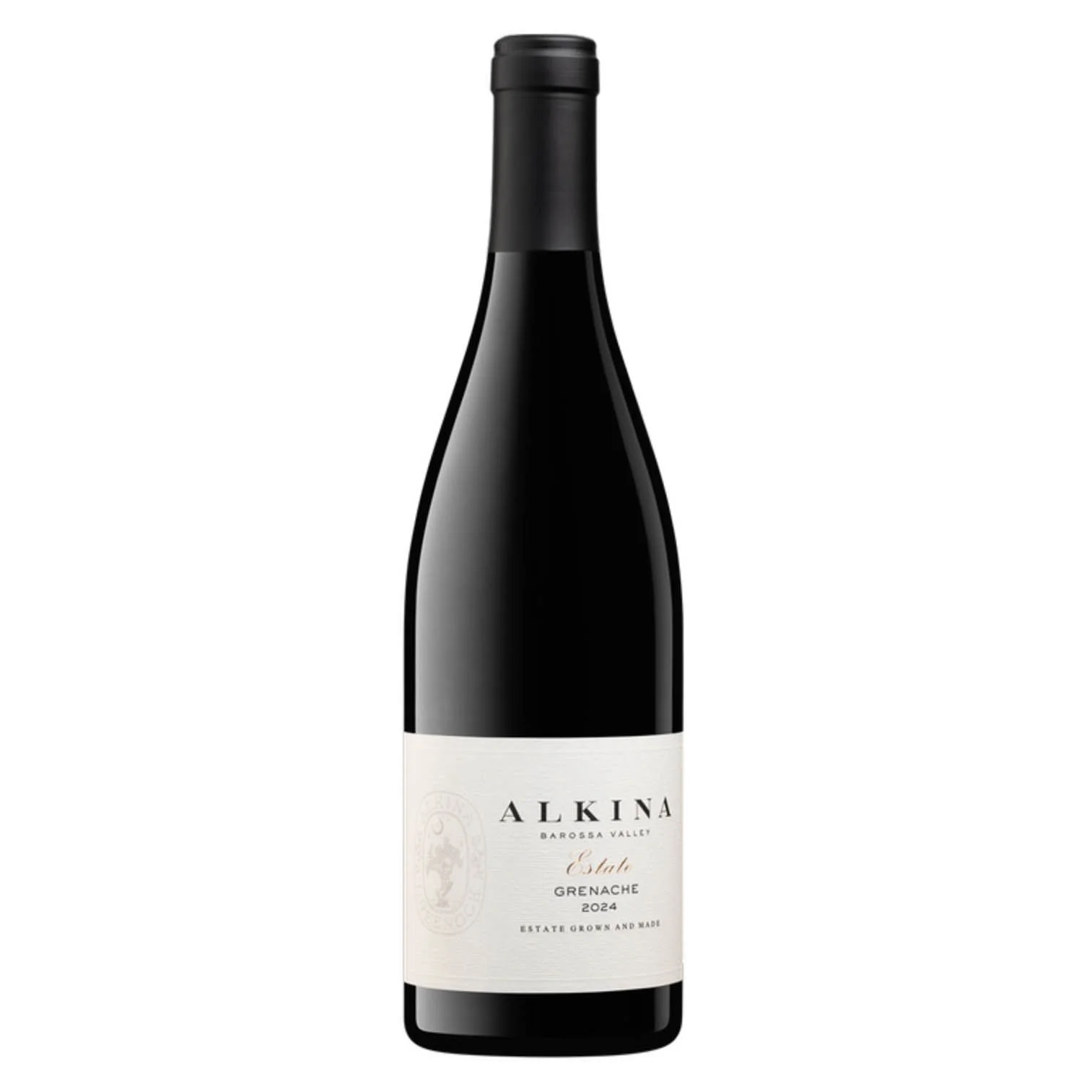
- 95 Alkina Estate Grenache 2025
- 95 Bekkers McLaren Vale Grenache 2024
- 95 Adelina Estate Grenache 2023
- 95 Curtis Family Vineyards Small Batch Grenache Shiraz 2021
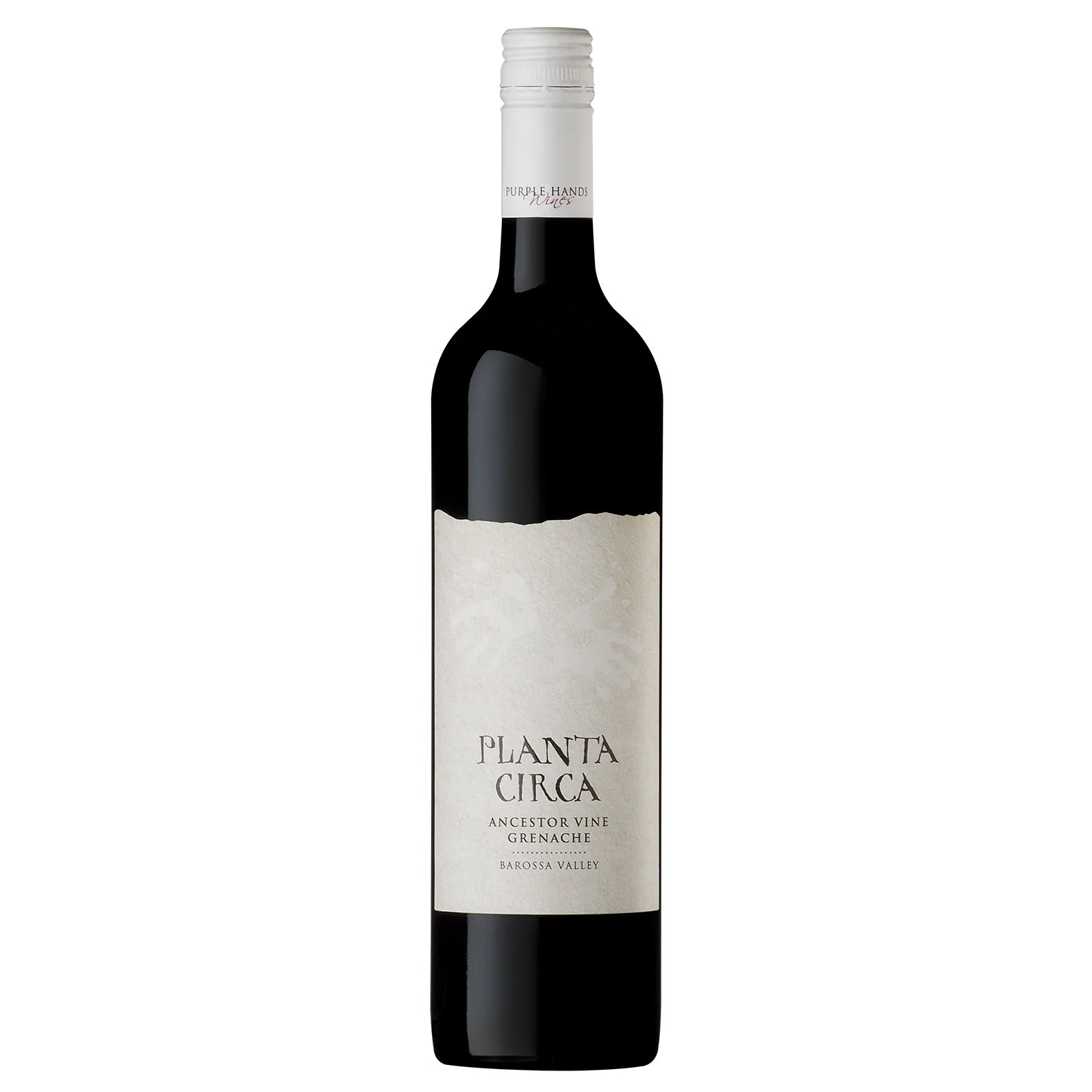
- 95 Purple Hands Wines Planta Circa Ancestor Vine Grenache 2025
- 95 Thistledown Sands of Time Grenache 2024
- 95 Oria-Riff Old Vine Grenache Dry Red 2024
Full reviews of every wine at campbellmattinson.com
What's so great about Australian grenache
I published the article below in 2012, back when the sentence "Australian grenache is about to change" still needed defending. I wasn't being a prophet; I was repeating what the best producers were telling me, and what I could taste in the glass. Fifteen years on, the call has been vindicated more completely than any of us guessed. What follows is the original piece, quotes intact, as a record of the moment the script flipped – followed by where things stand now.
——
AUSTRALIAN GRENACHE is about to change. It's a wine variety that's been growing out there in the ground of Australia for more summers than anyone can remember – it was once, mid last century, our most planted red grape variety – and for much of that time it's been seen as a great blender, as a great workhorse and as a provider of warmth. A growing band of devotees however believe that it has been the victim of an historic, gross mis-diagnosis. These producers are determined to flip the grenache script. The gravy, metaphorically speaking, might just be better than the beef.
That is, if they're right, in some cases, and in some places, Australia’s grenache wines might be better than Australia’s shiraz wines, for quality.
These of course are words almost no one ever thought they'd hear spoken. Grenache is the ultimate "300 rows of grunt" variety of Australian red wine, used (and abused) to extend the production of countless red wines, or to brighten them with red berried flavours, or to add pure fruit sweetness. As a single varietal release of any kind of aspiration, high alcohol has been par for the course. There have been many (very) good varietal wines made in Australia with grenache but you'd be hard-pressed to find one that really, genuinely excited.
The change in thinking comes down to this; grenache isn't a workhorse, or inherently hot. It's the opposite: it's delicate.
If this turns out to be true then, put simply, the variety that has spent more time baking out there in the sun than any other - waiting for its grapes to hit high sugar levels - is now about to enjoy its time in it.
Steve Pannell, formerly of Hardy's Tintara and now of S.C. Pannell, is not only a leader of this new charge, but was one of the first to both recognise grenache's mis-handling, and what could be unlocked if general practice was to change.
“Until recently," he said, "the perceived problem with grenache was that it is medium-bodied when compared to shiraz especially. So in order to compensate for the lighter weight, it tended to be made over ripe, and have shiraz added to it. It was made in more of a faux shiraz style.
“But with the increase in popularity of lighter reds such as pinot noir, and also the influx of imported wines – many of which are grenache based – this is having an impact on the style of [grenache] wines winemakers are making, or would like to make. Personally, I think of grenache like it’s a warm climate pinot noir.”
This recognition - that "lightness" is not the inherent antithesis of the Australian red wine being - courtesy of the rise in popularity in pinot noir, has lead to what could be, in time, the great unlocking of grenache's potential. Justin McNamee, of McLaren Vale winery Samuel's Gorge, puts it like this: “It wasn’t that long ago that we welcomed two tea spoons of refined sugar with Nescafé instant coffee. The resurgence of attention on grenache can be linked to the evolution in food culture. Diversity and freshness rather than rich sauciness. Big is no longer considered better.”
Grenache – sometimes referred to by its Spanish name garnacha – is a light- to mid-weight wine that’s been encouraged to fight out of its weight division for too long. Instead of being sweet and rough, it can be perfumed, delicate and bright. It’s a variety that thrives in the warm climates of the Barossa Valley and McLaren Vale, and in both of these regions there reside a treasure trove of old grenache vineyards, many of which are ancient. In recent times grenache has (successfully) spread to both Western Australia and to Victoria, though South Australia (including the Clare Valley and Langhorne Creek) remain the heart, soul and everything of Australian grenache. The finest examples of just about anything in life are usually the result of an impossibility. So too it is with grenache. It is a delicate variety that thrives in the harshest of hot, sandy conditions.
If you know the name grenache but think that you've not really consumed it; you're probably wrong. Aussie red lovers have historically consumed more than their fair share of grenache by default. It's been blended in - for the reasons listed above, but also to add spice and perfume to denser, heavier wines. The classic old "Burgundy" wines of McLaren Vale, for instance, almost always had grenache as a key ingredient.
“Unfortunately grenache,” Chapel Hill winemaker Michael Fragos notes, “to most, is either an unknown quantity, or it is a variety that has the baggage of having been associated with cask wine, light reds or fortified wines. Yes, over the years the variety has been utilised to make these different wine styles, however so have so many other varieties. But in old vine grenache there is the possibility to both look back at Australia's grape growing heritage and also to gaze into the evolution of our winemaking styles.”
The real change in perception, for Australian grenache, has been helped along by a completely fresh pair of eyes. Indeed Taras Ochota and his Ochota Barrels project is the kind of creative the Australian wine industry has been missing for a very long time. His fresh take on Australian wine has not only proven magnetic, but has placed him as 'just the right producer, at just the right time'. One of the focusses of Ochota Barrels has been McLaren Vale grenache, which Taras makes in a savoury, earthen, meaty and delicate style. Grenache in the hands of Ochota Barrels is more about texture than density. But then, as Taras Ochota related, “My alpaca, that I ride to the post office to get our mail, is called Garnacha.” Taras Ochota is the kind of producer who doesn't just make grenache; he lives it.
“I think it [grenache] is Australia’s superstar variety, in an underground sort of way,” he says. “When I drink Grand Cru Burgundy it reminds me of grenache. In my winemaking decisions I always think pinot noir, not shiraz. Grenache has been misunderstood. Australia has these ancient surviving parcels [of vines] scattered across Australia, which love our climate and various soils.”
Chester Osborn at D’Arenberg has been championing grenache and the significance of Australia's grenache vineyards for years. This is perhaps best illustrated by the fact that D’Arenberg now has “seventeen wines with grenache as a major feature. Over half of our dry red sold has grenache on the label.”
“Grenache,” Osborn says, “has enormous fruit, complexity and length, more so than most varieties. It also expresses the site and year (in which it was grown) in more contrasting ways than many other varieties.”
The grenache variety, especially in conjunction with minimal oak and alcohol interference, could well be the best loudspeaker on which to hear the, or any, differences and contrasts of season and site. Season and site is of course the lifeblood of wine enthusiasm. It's what makes wine more than just a drink. Grenache then may well be the best vein, thanks to its transparency, to peer into in the search for the heart of wine.
Not that making grenache of such high ideals is easy. As Justin McNamee says, “the challenge of making grenache is as exciting and compulsive as that presented by pinot noir.
"Of all of the varieties I work with, grenache has a very dramatic range of flavours, depending on the season. It has a huge spice range, from classic white pepper and black pepper to cinnamon, paprika and darker cloves. The fruit characteristic can vary from year to year. Some years to the lighter berry profile, cranberry and raspberry, in other year’s poached quince to heavier Christmas Cake. I think this makes it a very exciting ride.”
Indeed. Australia has grown grenache for thereabouts 175+ years. We foster some of the world's oldest grenache vineyards. Recent developments would suggest however that we're only just now stepping into the first golden era of Australian grenache.
[Footnote: Taras Ochota, featured in this article, died after a long battle with illness, in 2020, at the age of 49. His actions were written in indelible ink; his influence on Australian wine and on all who knew him was both great and everlasting. We mourn Taras; we carry him with us; we don't forget.]
This article first appeared in Halliday Magazine in 2012. This is the full (and in some cases lightly re-worked) article; all the quotes are as they were in the original publication. Permission to use the above images was gained some time ago for use on The Winefront site. They’ll be replaced when I take suitable images myself. Permission was obtained from the Yangarra winery (a great grenache producer) and 123RF.
That was 2012. Since then the change has hardened into fact. The producers quoted above were the vanguard; the style they argued for – perfumed, spice-laden, medium-weight, transparent to site and season – is now the mainstream of quality Australian grenache, and prices for the top wines have in some cases followed. The two most exciting things in Australian wine today are the quality of its chardonnay and the quality of its grenache. Hence this page.
Australian grenache: the essentials
What it tastes like. Modern Australian grenache is a medium-bodied red: perfumed, bright and spicy rather than sweet, warm and heavy. Typical characters run from raspberry and cranberry through white pepper, cinnamon, paprika and clove, with earthen, savoury, roasted spice and orange rind notes in the more serious wines. Texture, not density, is the calling card, as often (crucially) is tension, and tannin.
Where it grows best. McLaren Vale and the Barossa Valley are the heartland, home to a treasure trove of old, often ancient, dry-grown bush-vine vineyards. The Blewitt Springs sub-region of McLaren Vale is often a particularly happy hunting ground. The Clare Valley and Langhorne Creek matter too; Western Australia and Victoria will be movers in grenache circles in time. South Australia remains the centre of gravity.
Why the old vines matter. Australia has been growing grenache for around 175 years and is home to some of the oldest grenache vineyards on earth – vines that pre-date phylloxera-era replanting in most of the wine world. Old vines, sand and heat produce concentration without weight; it's the variety's happy paradox; delicacy thrives in hot, hard sand.
What changed. For most of the twentieth century grenache was over-ripened and/or blended to imitate shiraz. From around 2010, led by producers in McLaren Vale, it began to be picked earlier and effectively handled more like pinot noir than shiraz – minimal oak, lower alcohol, the variety's transparency to site and season allowed to speak. That shift is the modern style.
How to say it. Gre-NASH is standard; gruh-NAASH if you're feeling continental. Its Spanish name is garnacha.
Landmark producers. Yangarra, S.C. Pannell, Bulman, Thistledown, Paralian, Bekkers, Alkina, MMAD, Yalumba, Willunga 100, Aphelion, Vinya Vella, Ministry of Clouds, Vanguardist, Eperosa.
How the list on this page works. Any Australian grenache scored 94/100 or above by Campbell Mattinson is tagged Best Australian Grenache and appears in the list automatically. No fees, no kickbacks, no advertiser influence.
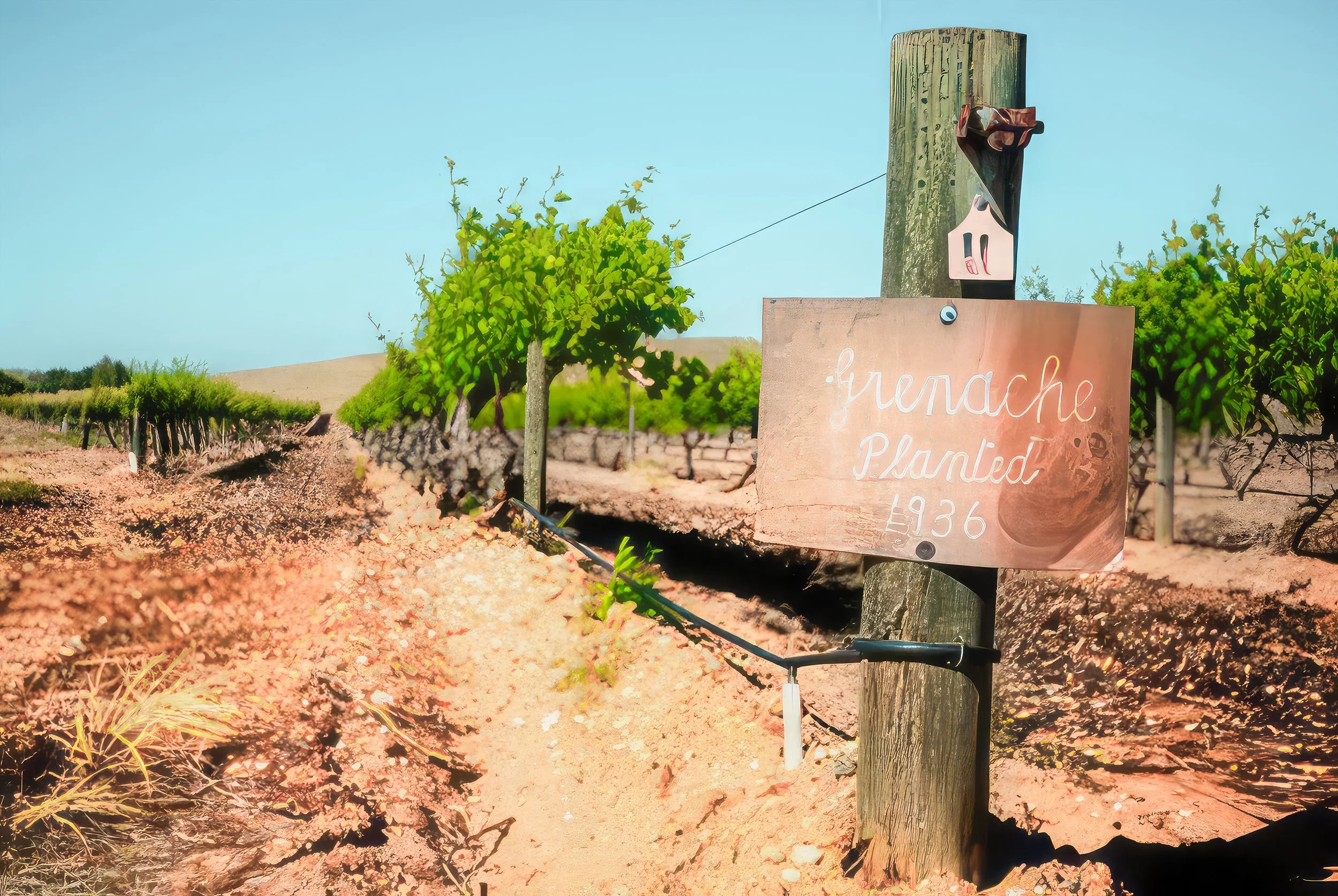
“When I drink Grand Cru Burgundy it reminds me of grenache. In my winemaking decisions I always think pinot noir, not shiraz.”

Yangarra’s Ovitelli Grenache 2024 is grown on 1946-planted bush vines, in McLaren Vale, and was made by the late Pete Fraser.