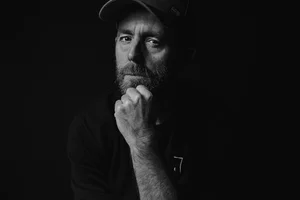
My Savaterre drought is broken
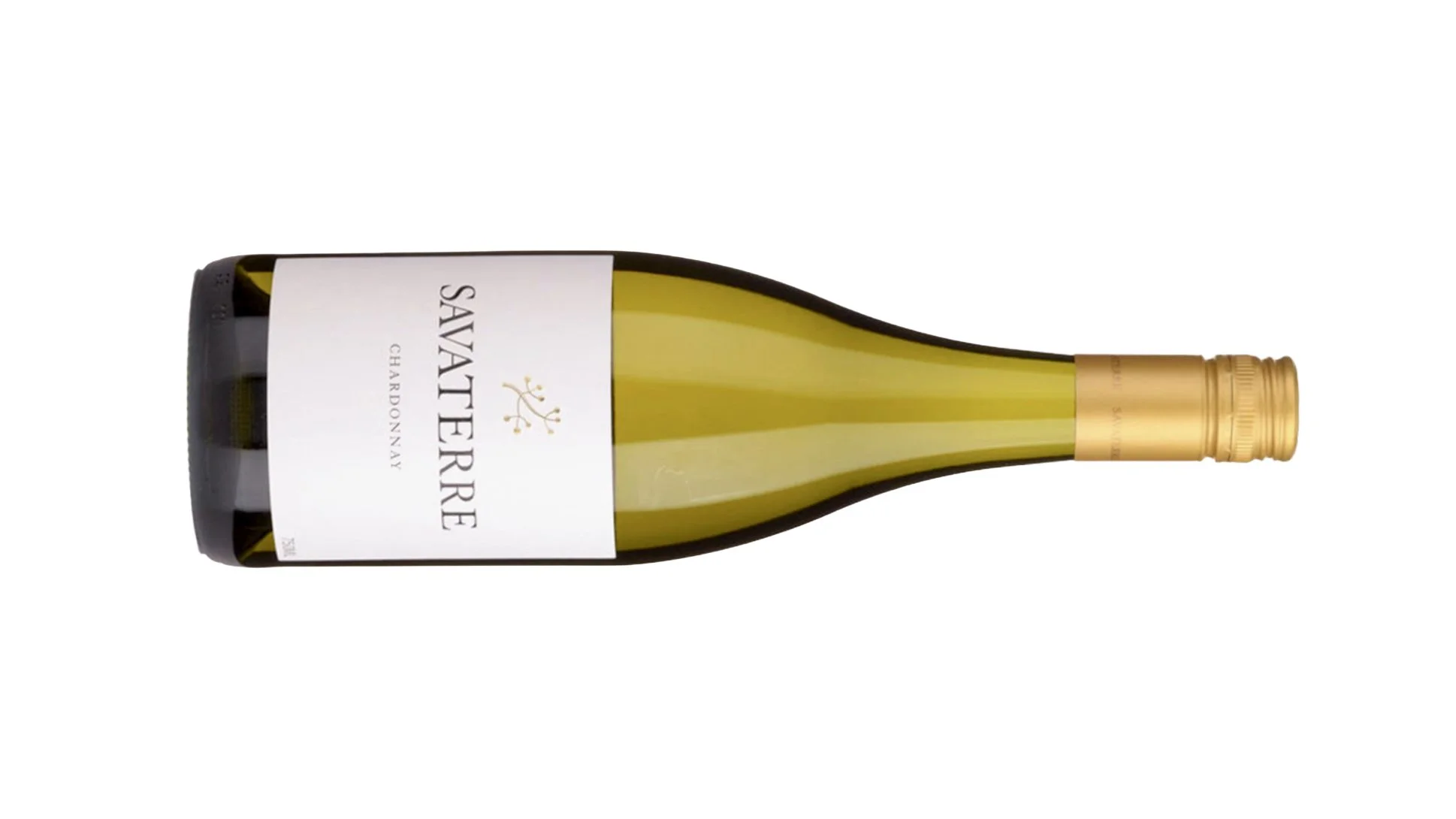
Savaterre Chardonnay 2024
AU$120.
97 points – Campbell Mattinson.
There’s a moment in the 2005 Australian movie Little Fish where the lead character, played by Cate Blanchett, rushes into a school or community hall and encounters something unexpected. Blanchett’s character, Tracy, has battled substance addiction for the most of the movie, and after a particularly unfortunate series of events she rushes in to the hall, looking for a bathroom, where she ‘plans’ to relapse. Instead of the hall being empty though, she finds it occupied by a children’s choir, which is in the midst of a rehearsal. This choir of children is singing the Cold Chisel song Flame Trees. The sudden sound of these children’s voices, singing, comes as a complete surprise to Tracy, and also to us, the movie’s audience. The sound stops Tracy dead and, at the same time, moves us, the audience. There is something about the sound of children’s voices, singing, especially when set against such dark adult terrain, that can instantly strip us all back to an emotional place, before all the shit took its toll, to a time when we still had the plain, clean, white plate of life in front of us; to that precious time when each us still had our full allocation of hope.
When I opened this 2024 chardonnay wine, made by Keppell Smith and grown on his Savaterre property, it was like stepping into that dark community hall, and suddenly and unexpectedly hearing a choir of children.
I have history with Keppell, and more especially with Savaterre, and with that tiny close-planted vineyard on the southern side of a hill in Beechworth. I visited the place in the very early days of The Winefront, when the publication was printed on paper, or distributed by pdf, and called Winefront Monthly. The article I wrote back then started with a scene of dry thunderstorms, loaded with lightning, that hit the parched Alpine landscape and exploded into a rolling sea of spotfires, which then connected into drought-fuelled fronts of full-blown bushfire. This, to put matters mildly, made the 2003 vintage difficult. I’m not consulting the article, I’m going by memory. But I think that Keppell said back then, that the only reason he made wine from that year was that, if he hadn’t, he would have gone broke. Along the way of that vintage his water pumps choked with mud and died dry. But he found a way. He made wine. And he survived.
I wrote that article late at night, looking out into the country darkness of that same Alpine landscape, full of my own dreams, and of my own hope.
I followed Keppell’s wines for ten years, or maybe a little more, thereafter, and then I stopped cold. I haven’t tasted any of his wines – or seen him – in over a decade. Actually, to be completely truthful, Keppell stopped sending and/or contacting me about his wines, and I was glad that he did. I was too close to them. Some wines and some stories just get inside you and cloud you over. Indeed I’d gotten to the point where, when tasting Keppell’s wines, I felt anxious. There’s the light, racy, invigorating kind of anxiety and then there’s the weightier, debilitating kind, and then there’s the kind that’s a combination of both, and which tears you up from the inside. I’d gotten to stage 2 – the weighted version – with Keppell and his wines. When I read one day, many years ago now, that Keppell had met up with Gary Walsh in Sydney, and that Walsh had reviewed the wines, I wasn’t jealous; I was relieved.
The reviewing of wine is, fundamentally and mostly, ideally, an emotionless affair. But I’d been raving about the Saveterre wines for years, and during this time I’d rarely seen anyone else of note do the same kind of raving. I’m a strange mix of extreme anxiety and extreme confidence. I’m also human. During my Savaterre years, 2003–2015-ish, I did wonder and/or worry: are the wines really as good as I’ve been saying, and as I think they are?
We know, of course, now, in 2026, that they are. The reviews have streamed steadily in; they are now countless; and they are glowing. Savaterre is on the Langton’s Classification, rated Outstanding. Keppell Smith is nothing like my childhood hero, Jay Gatsby, but given that I’m the narrator-Nick character in this story, I’m happy to paraphrase Nick and to say that The Great Keppell turned out all right in the end. I remember a moment, only a year or two ago, when this fact – that the wines of Savaterre were great, and that Keppell’s crusade on that buckshot-laden, ironstone-strewn, gravelly patch both wasn’t for nothing, and had come to something – I remember when this reality finally sunk into me, one weekend. I felt so pleased, so deeply, deeply pleased, for Keppell and for this fact that I dug out Keppell’s mobile number and texted the words, simply, apropos ostensively of nothing, You’re important to me. I think this text gave Keppell the shock of his life. He replied, but I didn't reply back. Some words are best left on the table, unoaked and undisturbed.
I’ll never go back to reviewing the Savaterre wines, not as a matter of course. The Savaterre boat left my dock a long time ago, and once the billow really got into its sails, what a beautiful journey it’s been on.
READ
Australian whisky has arrived.
But a couple of weeks ago I did contact Keppell, out of the blue, and ask if he’d mind sending me a bottle of his chardonnay. The first time I visited him, over twenty years ago now, we’d spoken of and written about drought. I don’t know why, but I felt like it was time that I broke my own.
Which I just did.
I realised, after I’d consumed my first glass of a Savaterre Chardonnay in over a decade, that what you pay for is a relationship. In this case, it’s the relationship between fruit, acidity, and texture, though it could too be between Keppell, his patch and time. There’s flavour in this wine, of course, indeed lots of it, and yet it all tastes like the purest water flowing under the longest bridge. Each aspect is only beautiful because of the others. Keppell once said to me, in the early days of his Savaterre endeavour, that it was important to keep the oak levels a little higher than ideal, because it helped make people notice the wines. Those days are clearly long over. The purity of this wine has such a brightness that it could blind the weariest of drivers. In fact, if this wine was a song, it would be sung by a choir of children. There’s hope in this wine’s lungs. It’s fancy because it tastes so free. A lot of wines, even very good ones, feel as though they have an outboard motor attached, and that this motor is beating below for all it’s worth. These such wines leave you annoyed and impressed at the same time; drinking them is like listening to a motor mower cut manicured lines of grass. This Savaterre Chardonnay is not one of these wines. Its energy is calm. Its calm is strength. Its strength is soothing.
What this wine tells me is that Savaterre is not just a good Australian wine producer now. Savaterre has become, I think, one of the modern greats. To paraphrase once again, this time from the song referenced above, We share some history, this wine and I. This history is not special to me; it’s special to the few, the happy comparative few, who’ve built their own relationship with this land, this man, this journey and this wine. You share some history, this wine and you. I have lived through, though, a Savaterre drought. This drought is now broken. Our wells refill at their own rate. It was only once I unscrewed the top to the bottle, and starting drinking, that I properly realised how thirsty I’d been. Each sip grew new hope. That, I guess, is what relationships do.
—
[Savaterre is a Mattinson 10-Star Winery]